
Immigration: The Largest Structural Change
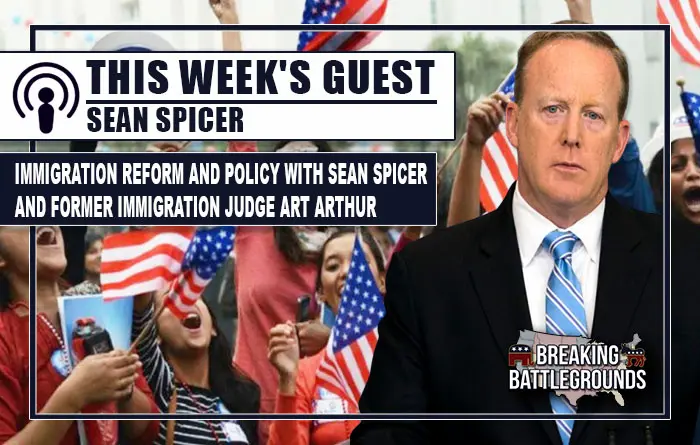
The most consequential second-term policy shift has been in immigration enforcement. Executive orders signed in the first weeks of the term reversed multiple Biden-era policies on asylum processing, parole programs, and deportation priorities. Former Immigration Judge Art Arthur, who appeared on Breaking Battlegrounds Episode 232, described the changes as the most significant enforcement realignment since the 1996 Illegal Immigration Reform and Immigrant Responsibility Act.
The specific changes Arthur highlighted: the reinstatement of Remain in Mexico (Migrant Protection Protocols), the end of catch-and-release processing at the border, and the expansion of expedited removal authority to the interior of the country. Arthur, who served as an immigration judge before joining the Center for Immigration Studies, explained that the legal authority for these changes was stronger in the second term because the administration was building on existing statutory frameworks rather than creating new ones.
Domestic Policy: The Rollins Agenda
Brooke Rollins, who appeared on Breaking Battlegrounds before her confirmation as Secretary of Agriculture, helped shape the domestic policy priorities from her earlier role as Director of the Domestic Policy Council. The second-term domestic agenda has emphasized regulatory rollback, energy production expansion, and targeted deregulation in the agricultural sector.
The agricultural deregulation component has been among the least-covered but most substantive second-term changes. Rollins’ USDA has moved to reduce regulatory burdens on small farms, streamline food safety approval processes for new agricultural technology, and renegotiate several commodity support programs.
Foreign Policy: The Iran Conflict
U.S. military engagement with Iran is the defining foreign policy development of the second term’s first year. The conflict has drawn 66 percent public disapproval in April 2026 polling, with only one-third of Americans believing the administration has a clear strategic plan. How this conflict resolves, or fails to resolve, will shape the 2026 midterm environment more than any other single factor.
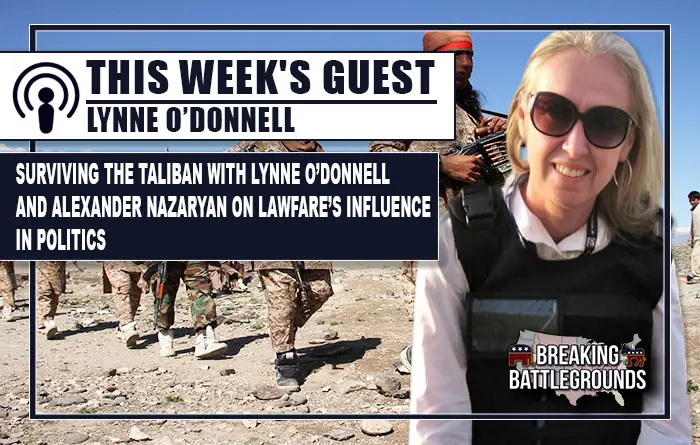
Breaking Battlegrounds has covered foreign policy through guests including Ambassador Carla Sands and journalist Lynne O’Donnell, who recounted her captivity by the Taliban in Episode 230. Those conversations provide context for understanding American foreign policy decision-making at a moment when the country is again engaged militarily abroad.
Economic Policy: Trade and Tariffs
The second term has maintained and in several cases expanded first-term tariff policy. Steel and aluminum tariffs have been extended. New tariffs on Chinese goods have been added in sectors related to semiconductors and electric vehicle components. The economic debate within conservatism, between free trade traditionalists and economic nationalists, has sharpened as the policy impacts have become more visible in manufacturing states.
The Fair Tax Act (covered separately on this site) remains a long-term structural tax reform goal rather than an active legislative priority. Near-term tax policy has focused on extending the 2017 Tax Cuts and Jobs Act provisions scheduled to expire.
Frequently Asked Questions
What are the biggest policy changes in Trump's second term?
The largest changes have been in immigration enforcement (reinstating MPP, expanding deportation authority), energy policy (expanded drilling permits, LNG export approvals), and foreign policy (military engagement with Iran).
Has the Trump second term been more or less effective than the first?
Conservative analysis generally holds that the second term has been more effectively implemented because the administration entered with a larger pool of vetted personnel, clearer legal frameworks for its priorities, and a more unified Republican coalition in both chambers.