
So, what’s the deal with podcasts these days? It feels like everyone’s got one, or at least is listening to one. We see these charts all the time, showing what’s hot and what’s not. But what really makes a podcast climb to the top, becoming the number 1 podcast that everyone’s talking about? It’s not just about having a microphone and something to say. There’s a whole mix of things that go into making a show a massive hit, from the host themselves to how it’s put together and where you can find it. Let’s break down what makes a podcast stand out in a really crowded space.
Key Takeaways
The Joe Rogan Experience has consistently been a top contender, often holding the title of the number 1 podcast globally and in the US, known for its long-form interviews and broad appeal.
Podcast popularity isn’t just about listener numbers, which are hard to track precisely. Factors like engagement, host personality, and production quality play big roles.
While Joe Rogan often leads, other shows like The Tucker Carlson Show have briefly topped charts, showing that the top spot can shift, and celebrity-driven or niche content is gaining ground.
The podcast world is always changing, with rankings fluctuating on platforms like Apple Podcasts and Spotify, and new genres and shows constantly emerging.
Understanding what makes a podcast successful involves looking at host influence, the platform dynamics that boost visibility, and the historical evolution of popular formats like true crime and comedy.
Dominance Of The Joe Rogan Experience
Consistent Chart Topping Performance
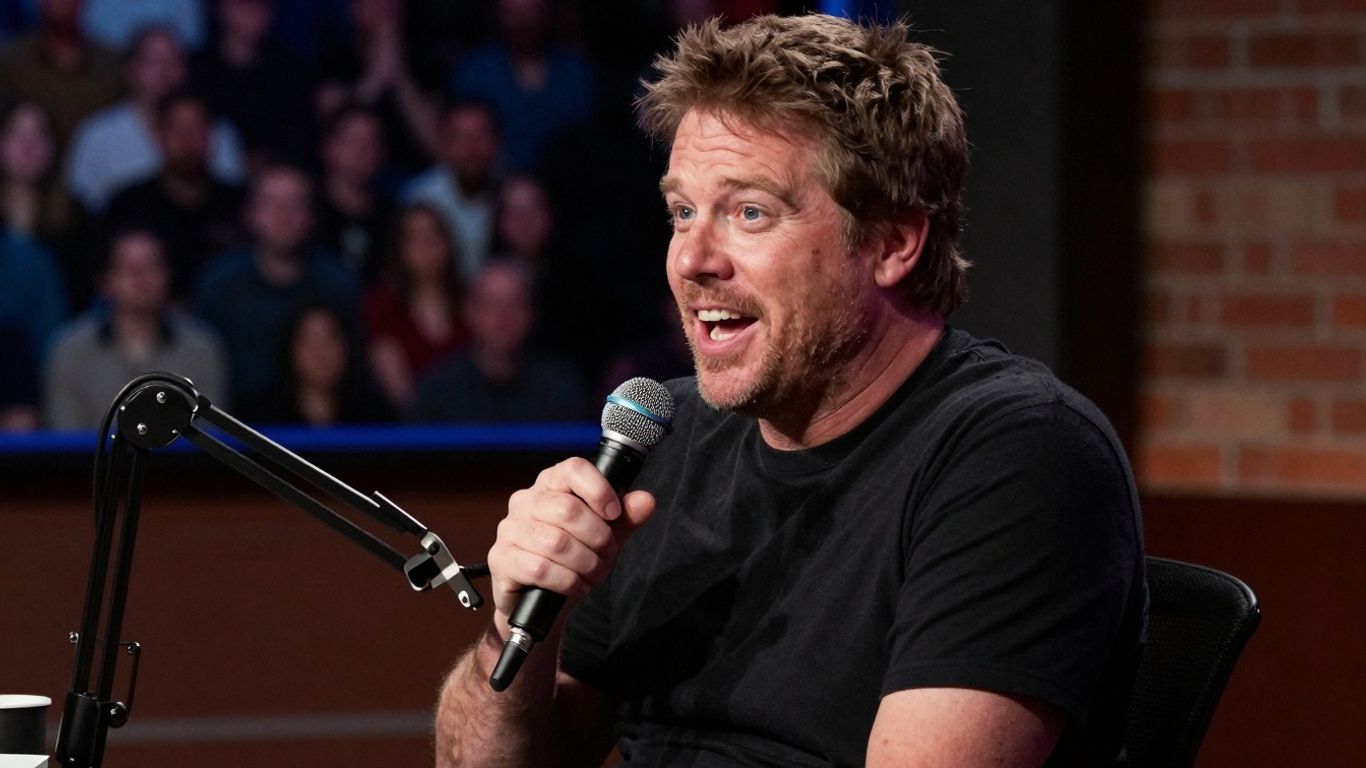
The Joe Rogan Experience has cemented its place at the top of podcast charts for a significant period. It consistently ranks high on platforms like Apple Podcasts and Spotify, often holding the number one spot. This sustained popularity isn’t accidental; it reflects a deep connection with a large and dedicated audience. While other shows might briefly surge, Rogan’s program has demonstrated remarkable staying power, making it a benchmark for success in the industry.
Extensive Listener Engagement
What truly sets The Joe Rogan Experience apart is the depth of its listener engagement. Episodes frequently run for two to three hours, allowing for in-depth conversations that listeners can really sink their teeth into. This format encourages a loyal following that tunes in for the long haul, week after week. The show covers a vast array of topics, from science and comedy to politics and UFOs, ensuring there’s something to capture the interest of a broad demographic. This wide appeal, combined with the host’s conversational style, makes listeners feel like they’re part of the discussion.
Global Recognition As The Number 1 Podcast
Globally, The Joe Rogan Experience is widely recognized as the leading podcast. With millions of subscribers across platforms like YouTube, its reach extends far beyond traditional podcasting circles. Rogan’s ability to attract a diverse range of guests, from scientists and comedians to politicians and athletes, contributes to its broad appeal. His genuine curiosity and willingness to explore complex subjects with guests have created an environment where listeners feel they are learning something new with every episode. This has solidified its status not just as a popular show, but as a cultural phenomenon. You can explore some of his most talked-about episodes to get a feel for the show’s impact on his podcast.
The show’s success is a testament to the power of long-form, unscripted conversation in the digital age. It demonstrates that a dedicated host, a willingness to tackle diverse subjects, and a consistent release schedule can build a massive and engaged audience.
Factors Contributing To Podcast Popularity
So, what makes a podcast really grab people and keep them listening? It’s not just one thing, but a mix of elements that come together. Think about it like this: you’ve got to hit the right notes with your audience, have a host who’s actually interesting to listen to, and make sure the whole thing sounds good.
Alignment With Listener Interests
This is pretty straightforward, really. If you’re talking about something people care about, they’re going to tune in. It sounds obvious, but it’s a big deal. Podcasts that tap into specific hobbies, current events, or even just shared life experiences tend to do really well. It’s about finding that sweet spot where the host’s passion meets the listener’s curiosity.
Engaging Host Personalities
Let’s be honest, a lot of podcasts are just people talking. The host is the glue that holds it all together. If they’re boring, or sound like they’re just reading a script, people will click away fast. You want someone who sounds like they’re genuinely interested in the topic, can tell a good story, and maybe even make you laugh. A host who can connect with listeners on a personal level is gold.
High Production Quality And Narrative Craft
This one’s gotten more important over time. Early podcasts were pretty rough around the edges, but now, listeners expect more. Good sound quality is a must – nobody wants to strain to hear what’s being said. Beyond that, how the story or conversation is put together matters. A well-structured episode, with clear points and a good flow, makes for a much better listening experience. It’s about making something that’s not just informative, but also enjoyable to consume.
People often think that just having a good idea is enough. But in the podcast world, how you present that idea is just as important. Good editing, clear audio, and a thoughtful structure can turn a decent conversation into something truly memorable. It shows respect for the listener’s time and attention.
Emergence Of New Chart Contenders
While established giants continue to hold strong, the podcasting landscape is constantly shifting, with new shows making significant waves and challenging the existing order. It’s not just about who’s been around the longest; it’s about who’s capturing the public’s attention right now. This dynamic means we’re seeing a fascinating mix of established names and fresh faces vying for top spots on the charts.
The Tucker Carlson Show’s Brief Reign
For a period, a notable shift occurred when The Tucker Carlson Show entered the scene, quickly climbing the ranks and demonstrating the power of a prominent media personality to draw a massive audience. This wasn’t just a minor blip; it represented a significant moment where a new voice could disrupt the established hierarchy. Its rapid ascent highlighted how much influence individual hosts can wield in the digital audio space. This kind of performance often signals a broader trend towards personalities driving listenership, sometimes even overshadowing longer-running, more established programs.
Celebrity-Driven Chat Shows Gaining Traction
We’re also seeing a rise in podcasts hosted by well-known figures from other entertainment sectors. These shows often benefit from pre-existing fan bases, giving them a significant head start. Think of actors, musicians, or even internet personalities launching their own audio programs. They bring a certain star power and familiarity that can attract listeners who might not typically seek out podcasts. It’s a smart move for celebrities looking to connect with their audience on a different level, and for listeners, it offers a more intimate glimpse into the lives and thoughts of their favorite stars. Shows like “Good Hang with Amy Poehler” and “Not Gonna Lie with Kylie Kelce” are examples of this trend, proving that celebrity endorsement can indeed translate into podcast popularity.
Niche Content Driving Listener Growth
Beyond the big names and celebrity chatter, there’s a powerful undercurrent of niche content finding its audience. These aren’t necessarily shows aiming for the #1 spot overall, but they are building dedicated communities around specific interests. Whether it’s a deep dive into a particular historical event, a show focused on a very specific hobby, or a podcast catering to a unique subculture, these programs are finding success by serving a passionate listener base. This growth in specialized content shows that the podcasting world is maturing, offering something for everyone, no matter how specific their interests might be. It’s a testament to the medium’s ability to connect people with shared passions, often leading to strong engagement metrics within those communities. For instance, shows focusing on specific genres, like the popular news and political commentary, are seeing significant listener growth, as noted in discussions about current podcast trends The Tucker Carlson Show.
The podcasting world is no longer just about a few dominant players. New voices, celebrity power, and hyper-focused niche topics are all contributing to a more diverse and competitive chart landscape. This evolution means listeners have more choices than ever, and creators have more avenues to find their audience.
The Evolving Podcast Landscape
The world of podcasts isn’t static; it’s always shifting and changing. What was popular last year might not be the top dog today, and new shows pop up all the time, shaking things up. It’s kind of like how music charts change, but with more talking and fewer beats.
Shifting Rankings On Major Platforms
It’s pretty wild to see how quickly the top spots on platforms like Apple Podcasts and Spotify can change. One week a show might be number one, and the next, it’s slipped down a few places. This constant movement means that staying at the top takes a lot of work, and it’s not just about having a big name behind the mic anymore. New voices and fresh ideas are constantly challenging the established order. It makes you wonder what’s driving these shifts – is it a new trend, a big event, or just people discovering something new they really like?
Growth In Diverse Content Categories
Podcasting used to be mostly about a few big genres, but now, you can find a show about literally anything. We’re seeing a huge increase in shows covering really specific topics. Think about it: there are podcasts dedicated to obscure historical events, niche hobbies, or even just the daily lives of people in a certain profession. This diversity is great for listeners because it means there’s something out there for everyone, no matter how unique their interests are. It’s not just true crime and comedy anymore; the whole spectrum is expanding.
Impact Of Platform Exclusivity Deals
Sometimes, big platforms make deals to have certain popular podcasts only on their service. This can really change where people go to listen. If your favorite show suddenly becomes exclusive to Spotify, for example, you might have to switch your listening habits or get a subscription. This strategy can help platforms grow their user base, but it also means that listeners might miss out on shows if they don’t use that specific platform. It’s a big deal for how we discover and access podcasts.
The way podcasts are distributed and consumed is a constant work in progress. Exclusive deals, platform algorithms, and listener preferences all play a part in shaping what becomes popular and what stays hidden. It’s a dynamic environment where adaptability is key for both creators and listeners.
Understanding Podcast Metrics
Challenges In Precise Listenership Data
Figuring out exactly how many people listen to a podcast can be surprisingly tricky. Unlike traditional radio, where a single broadcast reaches a defined audience, podcasts are downloaded or streamed individually. This makes it hard for outside researchers to get a perfect count for any given show. Podcasters themselves usually have access to more detailed data, which is super helpful when they’re trying to land advertisers. It’s a bit of a wild west out there when it comes to numbers.
The Significance Of Download Figures
Download numbers have long been a go-to metric for gauging a podcast’s reach. For a while, shows like ‘Serial’ were thought to be the biggest, racking up hundreds of millions of downloads. But then others, like ‘Stuff You Should Know,’ passed the billion mark. Even now, big names like Joe Rogan are reportedly pulling in massive download numbers each month, making their shows incredibly popular. These figures, while not the whole story, definitely show a podcast’s impact.
Subscriber Counts As An Indicator
Another way people try to measure podcast success is by looking at subscriber counts. When a platform like Apple Podcasts first launched its subscription feature, it saw over a million sign-ups in just two days. While this doesn’t tell you how often people listen, it does show a level of commitment from the audience. It suggests that listeners are interested enough in the content to want to keep up with new episodes automatically. It’s a sign of a dedicated fanbase, which is pretty important for any show.
Genre Trends In The Podcast Sphere
The Enduring Appeal Of True Crime
True crime podcasts have really captured people’s attention. It seems like everyone has a favorite show where they dissect cold cases or explore infamous criminal stories. This genre really took off after shows like ‘Serial’ became a massive hit, and it hasn’t slowed down since. It taps into a deep curiosity about the darker side of human nature and the puzzle of solving mysteries.
Comedy’s Dominant Position
Comedy has always been a go-to for entertainment, and podcasts are no exception. From witty banter to in-depth interviews with comedians, these shows offer a much-needed escape and a good laugh. Many podcasts started out with a comedic bent, and it’s still a huge part of the landscape today. It’s great for just unwinding after a long day.
The Rise Of News And Political Commentary
In today’s fast-paced world, staying informed is key, and news and political commentary podcasts have stepped up to fill that role. Listeners want quick updates and deeper dives into current events. This category has seen significant growth as people look for different perspectives and analysis beyond traditional media. It’s a space where hosts can really connect with their audience on important topics.
The podcasting world is constantly shifting, with new genres gaining traction and established ones holding strong. What listeners want to hear changes, but the core appeal of compelling stories and engaging personalities remains. It’s a dynamic space that keeps evolving.
Here are some of the key trends:
True Crime: Continues to dominate, fueled by fascination with unsolved mysteries and criminal psychology.
Comedy: Remains a powerhouse, offering humor and lightheartedness.
News & Politics: Growing rapidly as listeners seek information and analysis.
Interviews & Conversations: A broad category that often overlaps with others, focusing on engaging dialogue.
It’s interesting to see how these genres perform on different platforms, with Spotify showing hours listeners spent with each genre in the first half of 2023. The variety available means there’s truly something for everyone.
Key Elements Of Successful Podcast Content
So, what actually makes a podcast grab listeners and keep them coming back? It’s not just about having a microphone and talking. There are definitely some core things that seem to make a big difference.
In-Depth Conversational Formats
Many of the most popular shows aren’t just quick interviews. They often feel more like long, unscripted chats. This allows for a natural flow and lets the host and guest really explore a topic without feeling rushed. It’s this kind of relaxed, extended conversation that can make listeners feel like they’re part of the discussion, almost like hanging out with friends.
Thought-Provoking Discussions
Listeners aren’t just looking for background noise. They want content that makes them think. Podcasts that tackle complex subjects, present different viewpoints, or challenge common ideas tend to do really well. It’s about sparking curiosity and giving people something to chew on long after the episode ends.
Exploring current events from multiple angles.
Debating philosophical or ethical questions.
Analyzing historical events with new insights.
The best podcasts often manage to be both informative and entertaining. They don’t shy away from difficult topics but present them in a way that’s accessible and engaging, making complex ideas easier to grasp.
Authenticity And Vulnerability In Storytelling
People connect with realness. When hosts are open about their own experiences, struggles, and emotions, it builds a strong bond with the audience. This vulnerability makes the host relatable and the stories more impactful. It’s this genuine human element that often separates a good podcast from a great one.
The Role Of Host Influence
Podcasters As Influential Media Figures
It’s pretty wild how much some podcast hosts have become, like, actual celebrities these days. They’re not just talking into a mic anymore; they’re shaping opinions and conversations in a big way. Think about it – people listen to these hosts for hours, building this connection that feels really personal. This isn’t like flipping through channels on TV; it’s a chosen intimacy. This deep listener connection is what gives hosts their significant sway. They can introduce you to new ideas, recommend products, or even influence how you see the world. It’s a different kind of fame, built on authenticity and consistent presence.
Controversial Yet Engaging Personalities
Sometimes, the hosts who get the most attention aren’t the ones who play it safe. The ones who aren’t afraid to be a bit edgy or even controversial often draw the biggest crowds. It’s like watching a train wreck, you can’t look away. These personalities often have a knack for sparking debate, and that debate itself keeps people coming back. They might say things that make you scratch your head, or even disagree vehemently, but they’re usually good at keeping the conversation going. It’s this push-and-pull that makes them so compelling.
They challenge conventional thinking.
They aren’t afraid to tackle difficult subjects.
Their strong opinions create listener loyalty (or strong opposition).
Impact Of Host Endorsements And Opinions
When a host you trust talks about something, whether it’s a book, a product, or even a political idea, it carries weight. It’s not just an advertisement; it feels like a recommendation from a friend. This is why brands are so keen to get their products mentioned on popular shows. The host’s opinion can directly impact sales or public perception. It’s a powerful form of word-of-mouth marketing, amplified by the podcasting medium. For instance, a host might discuss a new piece of tech, and suddenly, everyone wants to know more about it. This influence extends beyond just consumer goods; it can shape how people think about current events or social issues too. It’s a big responsibility, and not all hosts handle it with the same care.
The direct line from host to listener creates a unique environment where personal opinions can translate into tangible actions or shifts in perspective for a large audience. This dynamic is a significant factor in the success of many podcasts, turning casual listeners into dedicated followers.
Finding people to bring onto your own show can be a challenge, but there are ways to approach it. You might need to do some digging to find the right contacts, and then craft a pitch that shows you’ve done your homework. It’s about making a case for why they should spend their time with you and your audience, perhaps by highlighting how you can promote their work.
Platform Dynamics And Podcast Visibility
It’s pretty wild how much the platforms we use to find and listen to podcasts actually shape what we end up hearing. Think about it: Apple Podcasts, Spotify, even YouTube – they all have their own ways of showing us what’s popular, and that can really influence a show’s reach.
Apple Podcasts’ Influence On Rankings
Apple Podcasts was one of the first big players, and its directory still holds a lot of sway. When a show pops up high on their charts, it gets seen by a ton of people. This visibility can make or break a new podcast. It’s not just about downloads; Apple’s algorithm considers a bunch of factors, and getting noticed there is a big deal for many creators. It’s a bit of a gatekeeper, in a way, deciding who gets front-page treatment.
Spotify’s Chart Performance
Spotify has really shaken things up, especially with its big exclusive deals, like the one with Joe Rogan. They’ve got their own charts and recommendations, and they’re pushing hard to be the go-to place for audio. Their approach is different from Apple’s, often focusing on curated playlists and personalized suggestions. This means a show might be huge on Spotify but less visible elsewhere, or vice versa. It’s all about where people are listening.
YouTube’s Growing Role In Podcast Discovery
And then there’s YouTube. So many podcasts now put their full episodes or clips on YouTube, and it’s become a massive discovery engine. People might stumble upon a podcast while watching other videos, and suddenly they’re hooked. This platform offers a visual element that audio-only platforms can’t, which changes how listeners engage. It’s a whole different ballgame for visibility, and creators are figuring out how to make the most of it. Building a strong presence across these different platforms is key to podcast SEO visibility.
Historical Context Of Podcast Success
Pioneering Shows and Their Impact
Before the big names we know today, there were the early pioneers. Think back to the early 2000s. The technology was just starting to get going, and people were figuring out how to use these new tools. Shows that were essentially audio blogs, or ‘audioblogging’ as it was called, started popping up. These weren’t slick productions; they were often just individuals sharing their thoughts or stories. But they laid the groundwork. It was about experimenting with a new way to share audio content directly with listeners.
The ‘Serial’ Phenomenon and True Crime
Then came Serial. This podcast really changed the game, especially for the true crime genre. It wasn’t just a collection of stories; it was a deep dive into a single case, told over multiple episodes. People were hooked, listening week after week, dissecting every detail. It showed that podcasts could tell compelling, serialized stories that captured a massive audience. Suddenly, everyone was talking about podcasts, and true crime became a huge draw.
Early Comedy Podcast Innovations
Comedy has always been a big part of radio, and podcasts were no different. Early on, comedians and hosts started experimenting with the format. They could be more raw, more unfiltered than traditional radio allowed. This freedom led to some really unique and funny shows.
Unscripted conversations: Hosts could just chat, letting the humor flow naturally.
Niche humor: They could cater to very specific tastes that might not work on mainstream radio.
Direct listener interaction: Some shows started incorporating listener questions or comments, making it feel more personal.
The evolution from simple audioblogs to highly produced narrative podcasts like ‘Serial’ demonstrates a significant shift. It highlights how the medium matured, moving from basic audio sharing to sophisticated storytelling that could rival traditional media in its ability to engage and captivate audiences.
Podcasts have come a long way! From their early days, they’ve grown into a huge part of how we get our news and entertainment. It’s amazing to see how far they’ve come and how popular they’ve become. Want to learn more about the journey of podcasts and how they became so successful? Visit our website for the full story!
What’s Next for the Airwaves?
So, what does all this tell us about America’s top podcasts? It’s clear that a mix of raw conversation, compelling stories, and relatable hosts keeps listeners coming back. Whether it’s deep dives into current events, true crime mysteries, or just a good laugh, the shows that hit the top spots seem to connect with people on a personal level. The podcast landscape is always changing, with new voices popping up all the time. But the shows that stick around, the ones that become America’s favorites, seem to have found a way to be both interesting and real. It’s a space that’s constantly growing, and it’ll be interesting to see what kinds of shows capture our attention next.
Frequently Asked Questions
What podcast is currently the most popular in the USA?
The Joe Rogan Experience is generally considered the top podcast in the USA. It often hits the number one spot on platforms like Spotify and Apple Podcasts. While other shows like The Tucker Carlson Show have briefly topped the charts, Rogan’s show consistently draws a huge audience.
How do I find a podcast I might like?
To find a podcast you’ll enjoy, start by thinking about what topics interest you, like true crime, comedy, or science. Check out the most popular shows in those areas, or look for podcasts with hosts who seem engaging. Many podcast apps also show you what’s trending, which can help you discover new favorites.
Why is The Joe Rogan Experience so popular?
The Joe Rogan Experience is known for its long, in-depth conversations on a wide range of subjects, from comedy and science to politics and more. Joe Rogan’s hosting style and the diverse guests he brings on, even controversial ones, keep listeners engaged and talking.
Are there many different kinds of podcasts available?
Yes, there are! The podcast world has grown a lot, with shows covering everything you can imagine. While true crime and comedy have always been popular, there’s also a big rise in news, political commentary, and shows focused on specific hobbies or interests.
Is it hard to know exactly how many people listen to a podcast?
It can be tricky to get exact numbers for every podcast. While platforms and research groups try to track listenership, the exact number of listeners for each show is hard to pin down. Download numbers and subscriber counts give a good idea, though.
Do celebrities have their own popular podcasts?
Yes, celebrity-hosted podcasts are becoming more common and popular. Shows hosted by well-known figures often gain traction quickly because of their existing fan base, offering a mix of personal stories and interviews.
What makes a podcast’s content successful?
Successful podcasts often feature hosts who are authentic and relatable, even when discussing difficult topics. Deep conversations, interesting stories, and a genuine connection with the audience are key ingredients that keep people coming back for more.
How do platforms like Spotify and Apple affect podcast popularity?
Major platforms like Apple Podcasts and Spotify play a big role in how podcasts are discovered. Their charts and recommendations can significantly boost a show’s visibility and help it reach new listeners, influencing which podcasts become hits.