
Podcasting has really blown up, right? It’s gone from something a few people did in their basements to a huge part of how we get information and entertainment. As we look towards 2026, things are still changing fast. New ways to listen, new ways to make shows, and even new ways for creators to make money are popping up. We’re going to check out some of the biggest podcast trends that are shaping things for creators and listeners alike.
Key Takeaways
Expect podcasts to get more interactive, letting listeners join in real-time with polls or by influencing the show.
Video is becoming a bigger deal for podcasts, with creators putting more effort into visual content to reach more people.
AI is stepping in to help make podcasting easier, handling tasks like editing and suggesting shows you might like.
Smaller, specialized podcast communities are growing because people want content that really speaks to their specific interests.
Creators are looking at new ways to make money, like offering special content through subscriptions and working with brands.
Emergence of Interactive Podcast Formats
Podcasts are moving beyond just passive listening. In 2026, expect a significant shift towards interactive formats that let listeners get involved. This isn’t just about polls anymore; it’s about creating a two-way street between creators and their audience.
Real-Time Listener Engagement Features
Creators are looking for ways to make listeners feel more connected. This means incorporating features that allow for immediate interaction. Think live Q&A sessions where listeners can submit questions that get answered on the spot, or quizzes that pop up during an episode, testing knowledge or gathering opinions. Some shows might even allow listeners to vote on the next topic or influence the direction of a story in real-time. This level of engagement can turn a casual listener into a dedicated fan.
Integration of Voice Technology and AI
Voice assistants and AI are making these interactive elements much easier to implement. Imagine a podcast where you can simply speak a command to skip ahead, ask for more information on a topic mentioned, or even participate in a game using your voice. AI can process these requests quickly, making the experience feel natural and responsive. This technology also opens doors for personalized content delivery based on listener input.
Impact on Audience Participation and Retention
When listeners can actively participate, they become more invested in the show. This participation can lead to higher audience retention rates because people are more likely to return to a podcast where they feel heard and involved. It also provides creators with direct feedback and insights into what their audience enjoys, helping them refine their content. The more listeners engage, the stronger the community around the podcast becomes.
Interactive elements transform podcasts from a one-way broadcast into a shared experience. This shift is key to building deeper connections and keeping audiences coming back for more in an increasingly crowded media landscape.
Expansion of Video Podcasts and Multiformat Content
Podcasting is no longer just an audio experience. In 2026, we’re seeing a significant shift towards video podcasts and a broader embrace of multiformat content. This evolution is driven by audience preferences and platform capabilities, making it a key trend for creators to understand.
Rise of Visual Elements in Podcasting
The integration of visual elements is transforming how podcasts are consumed. While audio remains central, many listeners now expect a visual component, especially for interview-style shows or personality-driven content. This doesn’t necessarily mean elaborate studio setups for every creator. Instead, the focus is on creating a clear visual identity, ensuring readable captions, maintaining consistent clip formatting, and structuring episodes in a way that works well visually. The market is increasingly rewarding shows that offer a polished visual presentation alongside their audio.
Distribution Across Video Platforms
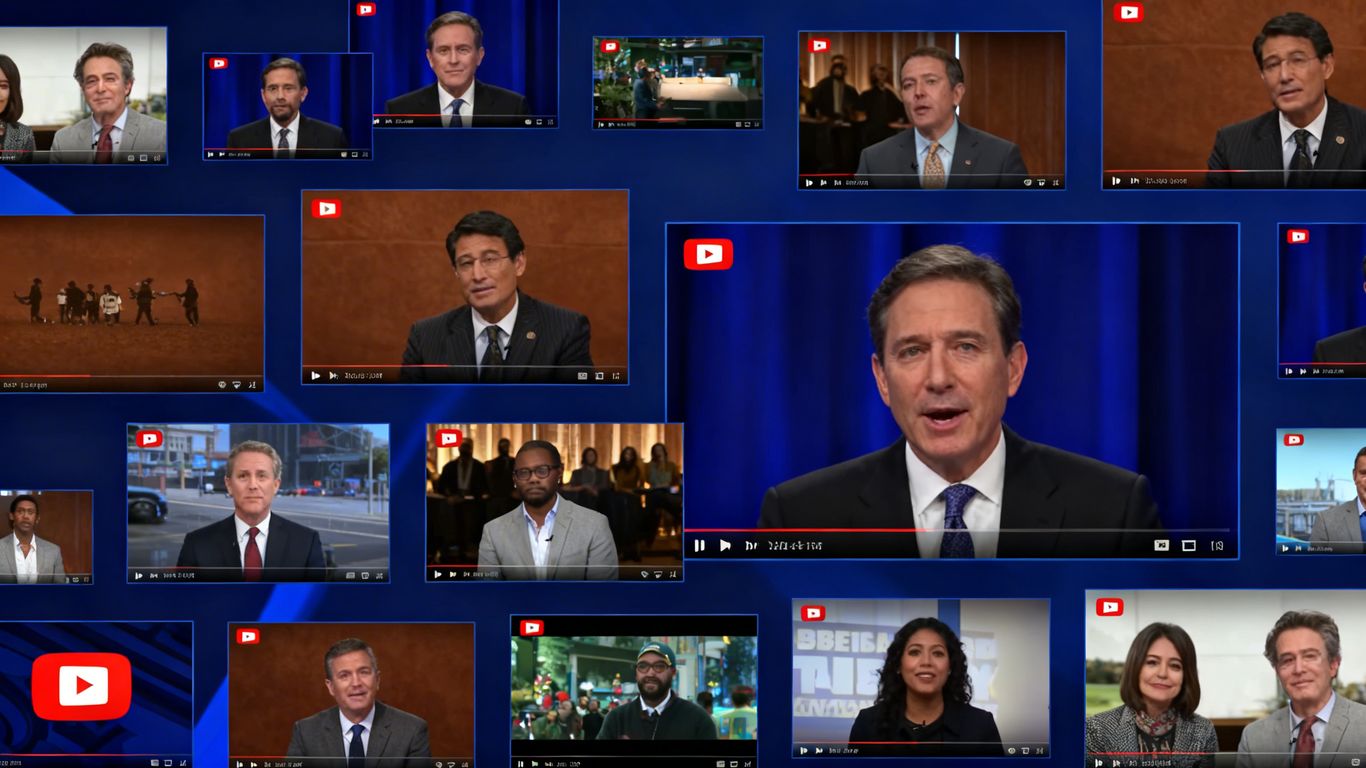
Platforms like YouTube have become major destinations for podcast content, with billions of monthly active viewers engaging with podcasts on the platform. Spotify is also expanding its video features and creator monetization programs. This means that distributing podcasts across multiple platforms, not just traditional audio apps, is becoming standard practice. A show that plans for multi-platform discovery has a much larger surface area for growth, reaching audiences who might discover them through search or video feeds.
Audience Preferences for Multiformat Consumption
Listener behavior is adapting to a multiformat landscape. Data from Edison Research’s Infinite Dial 2025 indicates that a substantial portion of the US population has watched a podcast, not just listened. This suggests that audiences are consuming podcasts in various ways:
Search-led discovery: Listeners use search functions on platforms like YouTube, Spotify, and Google to find content.
Feed-led sampling: Short-form video clips on social media act as introductions, drawing new listeners into longer-form episodes.
Binge-led retention: Consistent content across audio and video formats encourages longer listening or viewing sessions.
The future of podcasting is not confined to a single listening app or an audio-only workflow. It’s a dynamic, multi-platform category where video, search, and community engagement all play a role in a show’s growth and audience connection.
This shift means creators need to think about how their content can be adapted and distributed across different formats and platforms to meet evolving audience expectations.
Role of Artificial Intelligence in Podcast Production
Artificial intelligence (AI) is rapidly moving from a novel concept to a practical toolset for podcast creators. In 2026, AI’s integration into production workflows is becoming less about experimentation and more about gaining a competitive edge through efficiency and innovation. The focus is shifting towards using AI to automate repetitive tasks, freeing up creators to concentrate on the creative aspects of their shows. This allows for higher quality output and more consistent content delivery.
Automation of Editing and Post-Production
AI tools are now capable of significantly speeding up the editing process. This includes automatically removing filler words, long pauses, and background noise, which can save podcasters many hours. AI can also generate initial drafts of episodes, making the review process quicker. This acceleration means creators can spend less time on tedious editing and more time on crafting compelling narratives and engaging with their audience. The practical applications are already clear, with AI assisting in transcription, generating show notes, and creating shareable clips.
Personalized Content Recommendations
AI is also playing a role in how listeners discover new podcasts. By analyzing listening habits and preferences, AI algorithms can provide more tailored recommendations. This helps listeners find content that genuinely interests them, leading to increased engagement and loyalty. For creators, this means their shows are more likely to reach the right audience, contributing to organic growth. The goal is to move beyond generic suggestions to truly personalized content discovery.
AI-Driven Analytics and Insights
Beyond production and discovery, AI offers powerful tools for analyzing podcast performance. Creators can gain deeper insights into audience behavior, content popularity, and listener demographics. This data can inform future content decisions, helping creators understand what resonates most with their listeners.
Transcription and Searchability: AI provides accurate transcripts, making episodes searchable and enabling easy extraction of quotes or key moments.
Content Repurposing: AI can help generate summaries, social media posts, and blog outlines from existing episodes, extending the reach of content.
Performance Analysis: AI tools can identify trends in listener engagement, helping creators refine their strategy.
The integration of AI into podcast production is not about replacing human creativity but augmenting it. By handling the more mechanical aspects of content creation, AI allows podcasters to focus on storytelling, unique perspectives, and building genuine connections with their listeners. This partnership between human ingenuity and artificial intelligence is shaping the future of podcast production.
This evolution means that shows leveraging AI intelligently will likely see a widening gap in quality and efficiency compared to those that do not. The ability to automate mundane tasks without sacrificing creative control is becoming a key differentiator in the competitive podcasting landscape.
Growth and Sustainability of Niche Podcast Communities
Niche podcasts are no longer the quiet corners of the audio world. It’s now obvious that focused, targeted shows are driving the next stage of growth in podcasting. Smaller communities around specialized topics tend to create stronger bonds and longer-lasting loyalty. With the endless sea of general content, listeners want shows that are made for them—not just everyone. Here’s how these communities are growing, and why they’re set to stick around.
Hyper-Specialized Content for Targeted Audiences
Creators are getting specific, building podcasts around everything from rare hobbies to professional industries.
Topics that once felt too narrow are drawing passionate listeners who crave deep dives and real insights.
Niche leads to connection: hosts and audiences often interact more, since the topics are so close to their interests and daily lives.
Building Loyal and Engaged Listener Bases
Smaller audiences usually mean higher engagement. Comments, emails, and even direct conversations between podcasters and listeners are more common.
Listeners subscribe, follow, and share—they feel invested in the show’s success.
These connections encourage repeat listening and higher retention rates over time.
Audience Size (avg) | Engagement Level (avg) | Retention Rate |
|---|---|---|
General Podcasts | Low | 40-60% |
Niche Podcasts | High | 75-85% |
Opportunities for Sponsors and Brands
Marketers are waking up to the value of these small but active audiences.
Instead of blasting ads to everyone, sponsors can reach people who are already interested in their products.
Many niche shows work with brands that feel relevant, making partnerships feel natural to listeners. This makes it easier to build trust and drive conversions.
Investing effort into serving a small group well can lead to better results than trying (and failing) to reach everyone. In the long run, niche podcasts have greater staying power—thanks to their loyal fans, focused content, and the real connections they foster between creators and listeners.
Monetization Trends: Subscription Models and Brand Partnerships
The way podcasters make money is changing, and it’s not just about ads anymore. While advertising revenue is still growing, expected to reach nearly $2.6 billion by 2026 according to industry studies, creators are finding more ways to build sustainable businesses. This shift means looking beyond just ad spots and exploring deeper connections with listeners and brands.
Development of Premium and Exclusive Content
Subscription models are becoming a standard part of the podcasting landscape. Platforms like Spotify and Apple Podcasts are making it easier for creators to offer exclusive content to paying subscribers. This can include bonus episodes, ad-free listening experiences, or even early access to new shows. The idea is to give loyal fans something extra for their support, creating a more predictable income stream for the podcaster. It’s about building a direct relationship where listeners feel they’re getting more value.
Bonus Episodes: Extra content not available to the general audience.
Ad-Free Tiers: Listeners pay to remove advertisements from episodes.
Early Access: Subscribers get new episodes before they are released to the public.
Exclusive Communities: Access to private forums or groups for deeper interaction.
The focus is shifting towards audience-owned revenue streams, where creators can build businesses that are less reliant on traditional advertising alone. This allows for more creative freedom and a stronger connection with the core audience.
Evolution of Podcast Advertising Strategies
Advertising in podcasts is also evolving. While host-read ads still hold a lot of credibility, brands are looking for more integrated and creative ways to connect with podcast audiences. This means moving beyond simple ad reads to more in-depth storytelling and partnerships. Measurement and attribution are becoming more important, allowing brands to see the real impact of their advertising spend. Programmatic advertising is also growing, especially within larger podcast networks, offering more automated ways to reach specific listener groups. Brands that invest in creative, long-form storytelling that audiences genuinely enjoy will see the most success.
Collaborations with Aligned Brands
Partnerships with brands that genuinely align with a podcast’s content and audience are becoming increasingly important. Instead of just placing ads, creators are collaborating with brands on sponsored segments, creating custom content, or even co-hosting events. This approach builds trust and authenticity, as the brand integration feels more natural. For businesses, podcasts offer a way to connect with engaged audiences in a less intrusive manner than traditional advertising, building relationships and sharing thought leadership. This is a great way to start a podcast in 2026 if you’re looking to build a strong brand connection.
Monetization Method | Growth Trend | Listener Value Proposition |
|---|---|---|
Subscriptions/Premium | High | Exclusive content, ad-free listening, community access |
Integrated Brand Partnerships | High | Authentic endorsements, creative content, unique offers |
Host-Read Advertising | Moderate | Credibility, personal recommendation, direct response offers |
Programmatic Advertising | Moderate | Targeted reach, efficiency for larger networks |
Advances in Podcast Discovery and Audience Measurement
Finding your next favorite podcast is getting more complicated, and honestly, a bit more interesting. Gone are the days when just listing your show on a few major apps was enough. By 2026, the way people find podcasts is really spreading out. It’s not just about searching within a podcast app anymore; it’s about how you show up across different platforms.
Cross-Platform Tracking and Analytics
This is a big one. Creators and advertisers need to know where listeners are coming from and what they’re doing. Think about it: someone might hear a clip on TikTok, then search for the full episode on YouTube, and finally subscribe through Spotify. Keeping track of that journey is tough. Platforms are starting to offer better tools to see this whole picture, not just isolated bits. This means looking at how audio plays with video, and how different listener behaviors connect. The goal is to get a single view of the audience, no matter where they first encountered the show.
Smarter Search and Content Curation Tools
Search engines are getting smarter, and that includes podcast search. This means your episode titles, descriptions, and even transcripts are more important than ever. If you want your show to be found, you need to think about the words people are actually typing into search bars. This applies to Google, YouTube, and even within apps like Spotify and Apple Podcasts. Beyond search, curation tools are also evolving. They’re getting better at suggesting shows based on what you’ve listened to, not just what’s popular. This helps listeners discover niche content they might otherwise miss.
Addressing Fragmentation in Discovery
It feels like there are more places to find podcasts than ever before. This fragmentation can be a challenge. A show might be discovered through a short video clip, a recommendation from a friend, or a direct search. To combat this, creators are focusing on making their content discoverable everywhere. This involves optimizing for search on your own website, creating shareable clips for social media, and ensuring your show notes are detailed. It’s about building multiple pathways for listeners to find you. For example, a common strategy involves:
Recording an episode.
Publishing it with a full transcript and detailed show notes.
Creating several short clips to promote the episode on social platforms.
Writing a blog post that targets specific keywords related to the episode’s topic.
The podcasting landscape in 2026 demands a multi-pronged approach to discovery. Relying on a single platform or method is no longer a viable strategy for growth. Creators must actively work to be found across various search engines, social media platforms, and listening applications, understanding that a listener’s journey often begins in one place and ends in another.
This shift means that understanding your audience across all these touchpoints is key. It’s not just about how many people listen, but how engaged they are and how they found you in the first place. This deeper insight helps creators and brands make better decisions about where to invest their time and resources. For creators looking to stand out in specific areas, focusing on hyper-specialized content can be a strong differentiator in this evolving discovery environment.
Focus on Sustainability in Podcast Production
Eco-Friendly Hosting and Distribution Practices
As the podcasting landscape matures, a growing awareness of environmental impact is shaping production practices. This includes a closer look at the digital infrastructure that supports our shows. Choosing hosting providers that utilize renewable energy sources for their data centers is becoming a more common consideration. These providers often have a lower carbon footprint, contributing to a more sustainable digital ecosystem. Similarly, distribution methods are being examined. While RSS feeds are inherently efficient, the energy consumption associated with large-scale streaming platforms and the data transfer required for video podcasts are areas where creators can make conscious choices. Exploring options for more energy-efficient hosting and distribution can significantly reduce a podcast’s environmental toll.
Reducing Digital Waste in Content Creation
Beyond hosting, the actual creation process offers opportunities to minimize waste. This involves streamlining workflows to avoid unnecessary re-recordings or excessive editing. Implementing clear pre-production planning can help ensure that recording sessions are focused and efficient, reducing the need for extensive post-production cleanup. Furthermore, the practice of repurposing content can be approached with sustainability in mind. Instead of creating entirely new assets from scratch for every platform, thoughtful repurposing—like extracting key audio clips for social media or transcribing episodes for blog posts—can extend content life without generating excessive digital byproducts. This approach not only saves time but also conserves the energy and resources that would be used for new content generation.
Promotion of Environmental Topics in Podcasts
Another significant trend is the increasing integration of environmental themes directly into podcast content. Many creators are dedicating episodes or entire series to discussing climate change, conservation efforts, sustainable living, and other ecological issues. This serves a dual purpose: it educates and engages listeners on critical global challenges, and it aligns the podcast with a growing audience interest in environmental responsibility. By bringing these topics to the forefront, podcasts can act as powerful platforms for raising awareness and encouraging action. This focus on environmental storytelling not only contributes to a more conscious media landscape but also provides opportunities for deeper listener connection and engagement around shared values.
Making podcasts doesn’t have to harm the planet. We’re exploring ways to produce your favorite shows while being kind to the environment. From using less energy to choosing eco-friendly materials, there are many simple steps we can take.
Looking Ahead
So, as we wrap up our look at what’s next for podcasts in 2026, it’s clear the landscape is changing. It’s not just about audio anymore; video is playing a bigger part, and AI is helping creators behind the scenes. We’re seeing more specialized shows pop up, and ways for listeners to chip in, like subscriptions, are becoming more common. It feels like podcasts are getting more interactive and personal. For anyone making podcasts or thinking about it, keeping up with these shifts will be key. The goal seems to be about making real connections with listeners, not just getting lots of downloads. It’s an exciting time for audio, and it’s only going to get more interesting.
Frequently Asked Questions
What are the main trends we'll see in podcasts by 2026?
Get ready for podcasts to get way more interactive! Think live polls and Q&As right in the show. Also, video podcasts will be huge, kind of like watching a TV show but it’s a podcast. AI will help make podcasts easier to create and suggest shows you’ll love. Plus, super specific ‘niche’ podcasts will grow, and creators will offer special content through subscriptions. Brands will team up with podcasts more, and figuring out who’s listening will get smarter.
How will AI change podcasting?
AI is like a super helper for podcast makers. It can automatically fix editing mistakes, cut out ‘ums’ and ‘ahs,’ and even help suggest podcasts you might like based on what you’ve listened to before. This means creators can spend less time on boring tasks and more time making awesome content.
Are video podcasts going to be a big deal?
Definitely! More and more people are watching podcasts, not just listening. Platforms like YouTube are making it easy to share video podcasts. This means creators can connect with listeners in a new way by showing their faces and adding visuals, making the experience richer for everyone.
What's the deal with 'niche' podcasts?
Imagine a podcast just about collecting rare stamps or a specific type of cooking. Those are niche podcasts! They’re for smaller groups of people who are super into a very specific topic. Because the audience is so focused, these podcasts can build really strong communities and are great for advertisers who want to reach those specific fans.
How can podcasters make money in 2026?
Creators will use a few main ways to earn money. One is through subscriptions, where listeners pay a small fee for extra content, like bonus episodes or ad-free listening. Another big way is through ads and partnerships with brands. Companies will pay to have their products or services mentioned, especially if the brand fits well with the podcast’s audience.
Why is sustainability important for podcasts?
Just like in other parts of life, people are thinking about how to be kinder to the planet. For podcasts, this means using hosting services that use less energy or creating content that doesn’t waste digital space. Some podcasts might even focus on talking about environmental issues, raising awareness about important topics.