
Starting a podcast on YouTube takes five steps: create a channel, record episodes with video or a static image, upload them as regular videos, group them into a playlist marked as a podcast in YouTube Studio, and clip highlights into Shorts for discovery. YouTube is now the most-used podcast platform in the United States, ahead of Spotify and Apple Podcasts.
That audience shift is the whole argument. Podcast consumption moved to the platform people already spend hours on, and YouTube’s recommendation engine does something no audio app can: it shows your episodes to people who never searched for you. Here is the full process, including the decisions that separate channels that grow from channels that stall.
Why YouTube Treats Podcasts Differently
YouTube has no separate upload type for podcasts. Episodes are normal videos; the podcast designation lives at the playlist level. When you mark a playlist as a podcast in YouTube Studio, the show becomes eligible to appear in YouTube Music’s podcast section and gets a show page treatment.
Discovery is the real differentiator. Audio platforms surface shows mainly through search and charts, which favor established programs. YouTube’s algorithm recommends individual episodes based on viewer behavior, meaning episode 47 of an unknown show can outperform episode one of a famous one if the topic and packaging connect.
Step 1: Set Up Your Channel Properly
Create a channel dedicated to the show rather than uploading onto a personal channel with unrelated videos. Algorithms profile channels by what their audience watches; mixed content confuses that profile and suppresses recommendations.
Fill out three assets before the first upload. Channel art should state the show name and posting schedule. The channel description needs your niche keywords in the first two sentences, because YouTube search reads them. A channel trailer, even 60 seconds, converts browsers into subscribers at a measurably higher rate than no trailer.
Step 2: Decide on Your Video Format
Full video production films hosts and guests with one or more cameras. This format performs best because faces hold attention, and it unlocks clips for Shorts, TikTok, and Reels. A single webcam or phone camera at eye level, decent lighting from a window or a $30 panel, and clean audio clear the quality bar for a new show.
Static image or audiogram formats upload the audio over show artwork or a simple waveform animation. Watch time suffers badly with this approach; YouTube’s own data shows viewers abandon static videos quickly, and the algorithm reads that abandonment as a quality signal against you. Treat static uploads as a placeholder strategy, not a plan.
Remote shows have a middle path. Local recording platforms capture each participant’s webcam in high resolution, and a simple side-by-side edit produces genuine video content without a studio.
Step 3: Upload and Package Each Episode
Packaging decides clicks, and clicks decide everything downstream.
Titles should lead with the topic, not the episode number. “Episode 52: John Smith Interview” tells the algorithm nothing. “Why Swing State Polling Keeps Missing, with John Smith” gives YouTube a topic to match against viewer interests. Keep episode numbers at the end or drop them entirely.
Thumbnails earn more clicks with faces, large readable text of five words or fewer, and high contrast. Test readability at the size of a postage stamp, because that is how most viewers see it.
Descriptions deserve 150 to 300 words with timestamps. Timestamps create chapters, chapters improve session retention, and the description text feeds search. Place guest names, key topics, and your links in the first three lines.
Step 4: Create the Podcast Playlist
Inside YouTube Studio, create a new playlist and select the podcast option, or convert an existing playlist under the Content tab. Add show-level artwork in square format, the same 3000 x 3000 image you would use on audio platforms.
Every future episode added to this playlist inherits the podcast treatment. Channels running multiple shows can maintain multiple podcast playlists under one roof.
RSS ingestion offers an alternative route: YouTube can pull episodes automatically from your existing podcast host’s feed and generate static-image videos. Convenient, yes, but it carries the watch-time penalty of static video, so channels serious about growth upload native video instead.
Step 5: Clip Episodes Into Shorts
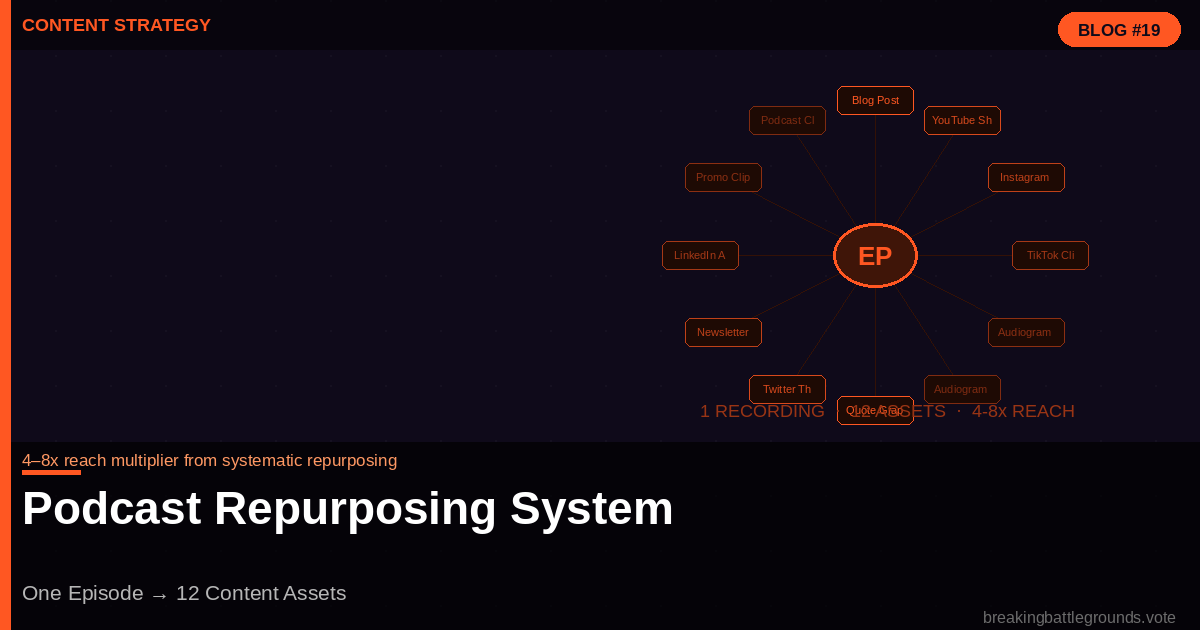
Shorts function as the discovery engine for long-form podcast channels. A 45-second clip of the sharpest exchange in an episode reaches viewers who would never click a full hour, and a pinned comment plus end-screen routes them to the complete episode.
Volume matters more than perfection here. Channels posting three to five clips per episode consistently outgrow channels posting one polished clip. Vertical format, burned-in captions, and a hook in the first two seconds are the only non-negotiables.
Monetization on YouTube
The YouTube Partner Program opens at 1,000 subscribers plus either 4,000 public watch hours in 12 months or 10 million Shorts views in 90 days. Ad revenue for talk content typically lands between $2 and $8 per thousand views, with business and finance topics at the high end.
Direct sponsorships remain the larger prize, and YouTube view counts give sponsors a public proof of audience that private podcast downloads never could. Channel memberships, Super Thanks, and affiliate links stack on top.
Frequently Asked Questions
Do I need video to podcast on YouTube?
No, you can upload audio over a static image, but video dramatically outperforms it in recommendations and watch time. Even a single webcam shot beats artwork with a waveform.
Is YouTube podcasting free?
Completely. Uploading, the podcast playlist feature, and distribution cost nothing, and you keep standard YouTube monetization options once eligible.
Should I publish my podcast on YouTube and audio platforms at once?
Yes. The audiences barely overlap, and the workflow is one recording exported two ways. Most growing shows treat YouTube and the RSS feed as equal first-class destinations.
How long should a YouTube podcast episode be?
Match your content, not a formula. Strong talk channels succeed from 20 minutes to three hours; retention percentage matters more to the algorithm than absolute length.
YouTube rewards podcasters who respect how the platform works: topic-first titles, real video, relentless clipping. Start with the gear you own, publish weekly, and let the recommendation engine do what no audio directory can.