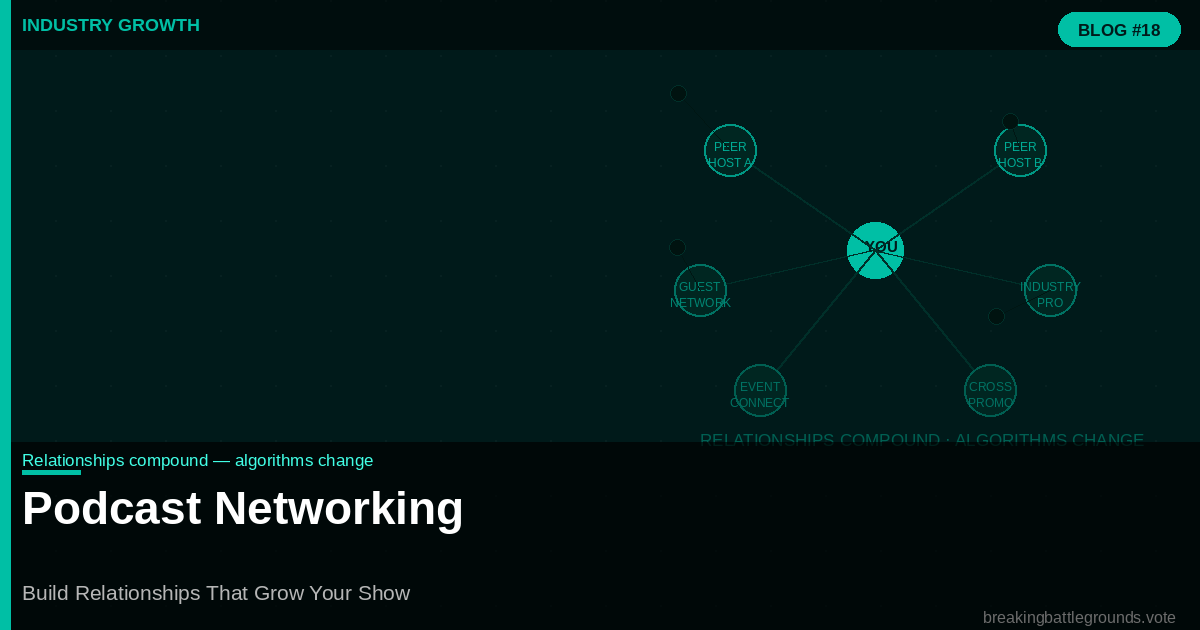
Podcast growth is a relationship business. The shows that grow fastest are not always the best-produced or most thoroughly marketed. They are the shows whose hosts have invested in relationships with other podcasters, with potential guests, and with their audience over time. Algorithms change. Platform policies shift. Relationships compound.
The difference between transactional networking (accumulating contacts) and genuine relationship building (creating mutual value) determines whether the connections you make produce results. A guest who had a great experience on your show and heard your host mention their work sincerely will refer other guests, mention your show to their audience, and open doors you could not have opened alone.
The Four Relationship Categories Every Podcaster Needs
1. Peer Podcasters at Similar Audience Sizes
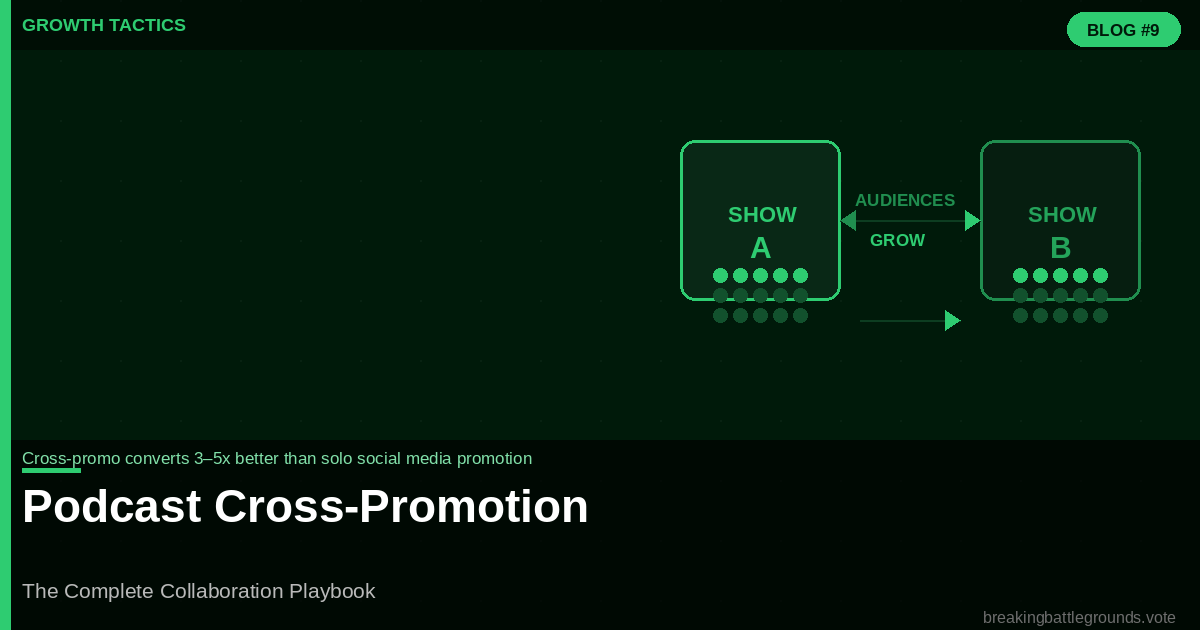
Peer podcasters, hosts with audiences similar in size and composition to yours, are your most important category of industry relationship. These are the people most likely to cross-promote, refer guests, collaborate on content, and provide honest feedback on your show. They are not competitors unless you are competing for the same guests for the same audience on the same week.
The peer relationship is built through genuine engagement: listening to their shows, referencing specific episodes in conversation, sharing their content when it is genuinely valuable to your audience, and offering help before asking for anything. The exchange does not need to be explicit or formal it develops through accumulated good faith over months of interaction.
2. Aspirational Hosts Above Your Current Level
Hosts with larger audiences and more established shows are the people who can open the doors you cannot open yourself introductions to guests, mentions to their audiences, endorsements that carry weight in your niche. The mistake most podcasters make is approaching these relationships transactionally: ‘Would you cross-promote my show?’ before any relationship exists.
The correct approach: provide genuine value first, consistently, over time. Share their content. Reference their work specifically and thoughtfully. Engage with their ideas publicly in ways that add to the conversation rather than just validating it. When the relationship has some history, an ask for a specific small thing (a guest recommendation, a feedback note on your show) feels natural rather than transactional.
3. Regular Guests as Long-Term Relationships
A guest who appears once is a transactional relationship. A guest who has appeared three times, who you follow up with between appearances, who you support publicly when they do something notable, and who considers your show a platform for their ideas is an asset of a different order. They mention your show organically when speaking elsewhere. They refer their colleagues. They promote their episodes more enthusiastically because they feel genuine investment in the show’s success.
The guest maintenance system: send a personal note within 48 hours of each episode publishing with the episode link and a specific observation about the conversation. Share the episode clip on social media and tag the guest. When the guest publishes something new a book, an article, a notable public statement send a brief personal note acknowledging it. This is not a system for managing contacts; it is genuine human attention to people who have invested their time in your show.
4. Industry Professionals and Podcast Support Services
Editors, producers, graphic designers, booking agents, and podcast consultants are the professional ecosystem around your show. These relationships matter for quality, reliability, and professional referrals. An editor who has worked with multiple shows in your niche has knowledge about what works that is directly applicable to your content. A booking agent who specializes in political podcasts has relationships with the offices you are trying to reach.
Podcast Events: Where Real Relationships Begin
Online networking accelerates relationships that begin in person. Podcast Movement, the industry’s largest annual conference (typically held in August), brings together 3,000 to 4,000 podcasters, platform representatives, and industry professionals. Podfest Multimedia Expo in Orlando is smaller and more intimate. Both provide the in-person conditions where genuine connections form faster than six months of online interaction can produce.
The most effective conference strategy is not to collect as many contacts as possible but to have three to five genuinely substantive conversations with people you want to know over the long term. Follow up within 24 hours with a specific reference to the conversation. The follow-up quality determines whether the in-person connection becomes a lasting professional relationship.
Frequently Asked Questions
How do podcasters network with each other?
Podcasters network through industry events (Podcast Movement, Podfest), online communities (Facebook groups, Discord servers organized by niche), social media engagement on Twitter/X and LinkedIn, and mutual guest referrals within peer groups. The most durable connections are built through genuine value exchange rather than transactional outreach.
What is Podcast Movement?
Podcast Movement is the largest annual podcasting industry conference, typically held in August with 3,000 to 4,000 attendees including podcasters, platform representatives, advertising networks, and equipment companies. It is the primary in-person networking event for the podcast industry.
How do I get podcast guests to refer other guests?
Guests refer other guests when they had a genuinely good experience on the show and feel the host values the relationship beyond the single appearance. The tactics that produce referrals: substantive follow-up after the episode, ongoing support for the guest’s work between appearances, and a direct ask, ‘Is there anyone in your network you think would be valuable for our audience?’ at the end of the follow-up conversation.
Should I join podcast networking groups?
Yes. Facebook groups like Podcast Growth Lab and Podcast Strategies, Discord servers organized by niche, and Slack communities for specific podcast categories all provide peer connection, tactical advice, and cross-promotion opportunities. The value comes from active participation rather than passive membership, contributing answers and insights before asking for anything.