A podcast is a series of audio episodes distributed over the internet through an RSS feed, which listeners access for free on apps like Spotify, Apple Podcasts, and YouTube. Creators upload episodes to a hosting platform, the host updates the feed, and every subscribed app automatically receives the new episode within minutes.
That single paragraph covers the mechanics. The details underneath explain why podcasting grew from a hobbyist format in 2004 to a medium with over 500 million listeners worldwide, and why the technology behind it still shapes what creators can and cannot do.
The Short History Behind the Name
The word combines “iPod” and “broadcast,” coined by journalist Ben Hammersley in 2004 when early adopters were downloading audio files onto Apple’s music player. Apple added podcast support to iTunes in 2005, which turned a niche technical hobby into a mainstream format almost overnight.
Ownership of the format never followed. No company controls podcasting the way YouTube controls video uploads, because the entire system runs on RSS, an open standard anyone can publish to. This open structure explains both the format’s diversity and its occasional messiness.
How a Podcast Actually Reaches Your Phone
Four pieces work together every time an episode appears in your app.
The creator records and edits an audio file, usually an MP3. They upload that file to a podcast hosting service, a company that stores audio and generates the show’s RSS feed. The feed is a small, constantly updated document listing every episode, its description, and the web address of each audio file.
Directories come next. Apple Podcasts, Spotify, Amazon Music, and the rest do not store the audio; they read the RSS feed and display its contents inside their apps. When you press play, the app streams the file directly from the host’s servers. When you follow a show, your app checks the feed regularly and downloads new episodes the moment they appear.
One consequence matters for listeners: because directories simply mirror the feed, the same show is identical everywhere. The app you choose is purely a matter of preference.
Podcasts vs. Radio, Audiobooks, and YouTube
Radio broadcasts in real time on a fixed schedule; podcasts are on-demand, and roughly 80 percent of listening happens within the first week of release rather than at a set hour. Audiobooks are single, finished works behind a paywall, while podcasts are ongoing, episodic, and overwhelmingly free.
YouTube blurs the line more each year. Video podcasts now reach larger audiences on YouTube than on audio apps for many shows, yet the defining trait holds: a podcast is built to work as audio alone, something you consume while driving, cooking, or exercising. Video is an addition, not a requirement.
The Main Podcast Formats You Will Encounter
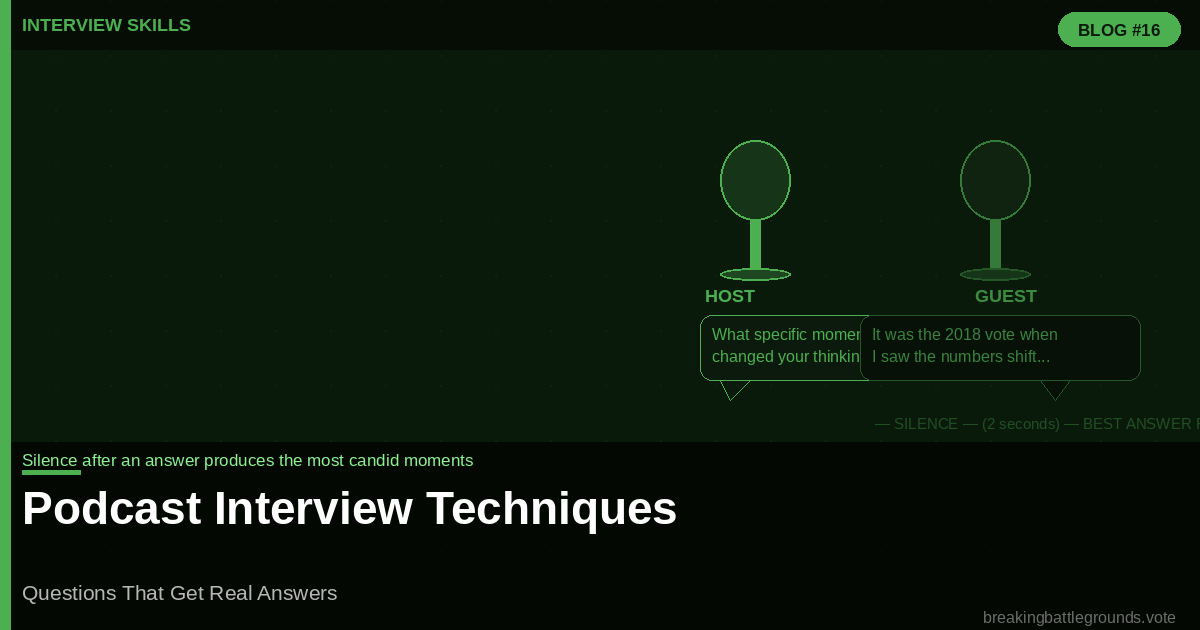
Interview shows put a host opposite a rotating guest, and they dominate business and political podcasting because guests supply endless material. Co-hosted conversation shows rely on the chemistry of two or three regulars. Solo commentary formats give a single expert the floor for focused analysis. Narrative and documentary shows, the most expensive to produce, script and sound-design every minute, with true crime as the flagship genre. Panel shows and daily news briefs round out the common structures.
Episode lengths cluster between 20 and 60 minutes, although the format imposes no rules. A daily news brief might run 10 minutes while a long-form interview crosses three hours.
How to Listen to a Podcast in Three Steps
Open any podcast app already on your phone; iPhones ship with Apple Podcasts and most people already have Spotify or YouTube. Search for a topic or a show name, then press play on any episode. Tap follow or subscribe, which is free on every major platform, and new episodes arrive automatically.
Useful features hide in plain sight. Playback speed controls let you listen at 1.2x or 1.5x without distortion. Sleep timers stop playback after a set period. Download buttons store episodes for flights and dead zones.
How Podcasters Make Money
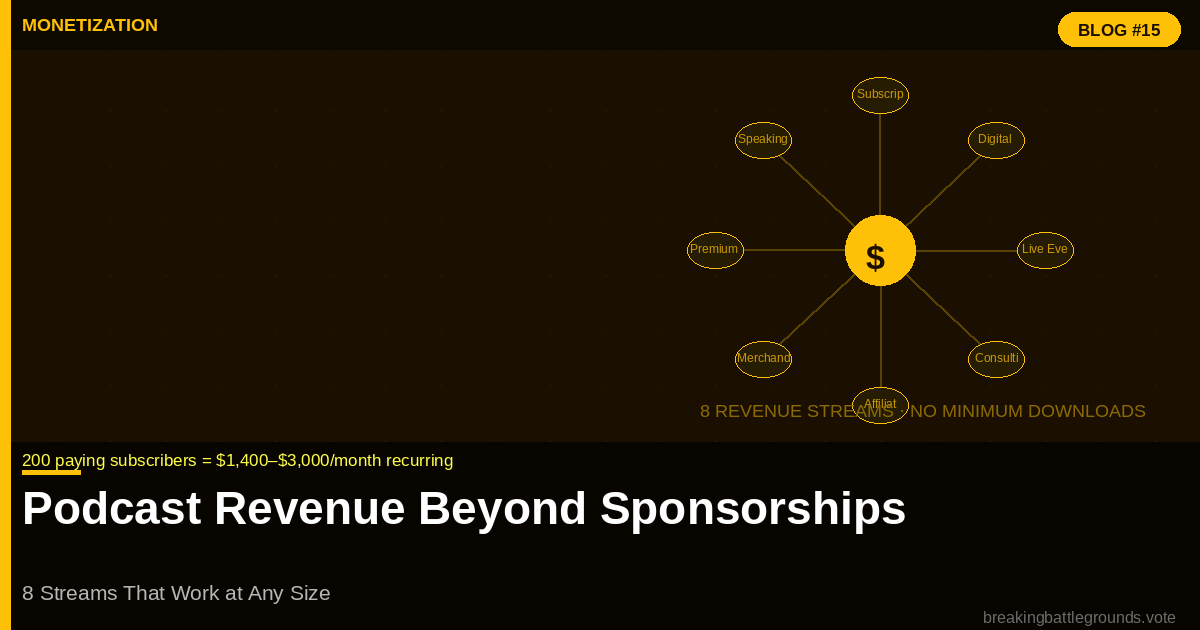
Free for listeners does not mean unprofitable for creators. Sponsorships pay shows on a cost-per-thousand-downloads basis, typically $18 to $50 CPM for host-read ads. Listener memberships through platforms like Patreon convert loyal fans into monthly supporters. Affiliate commissions, premium feeds, merchandise, and live events fill out the model. Large shows command seven-figure annual ad revenue; the median show earns nothing, which keeps the medium honest about why most creators do it.
What You Need to Start Your Own
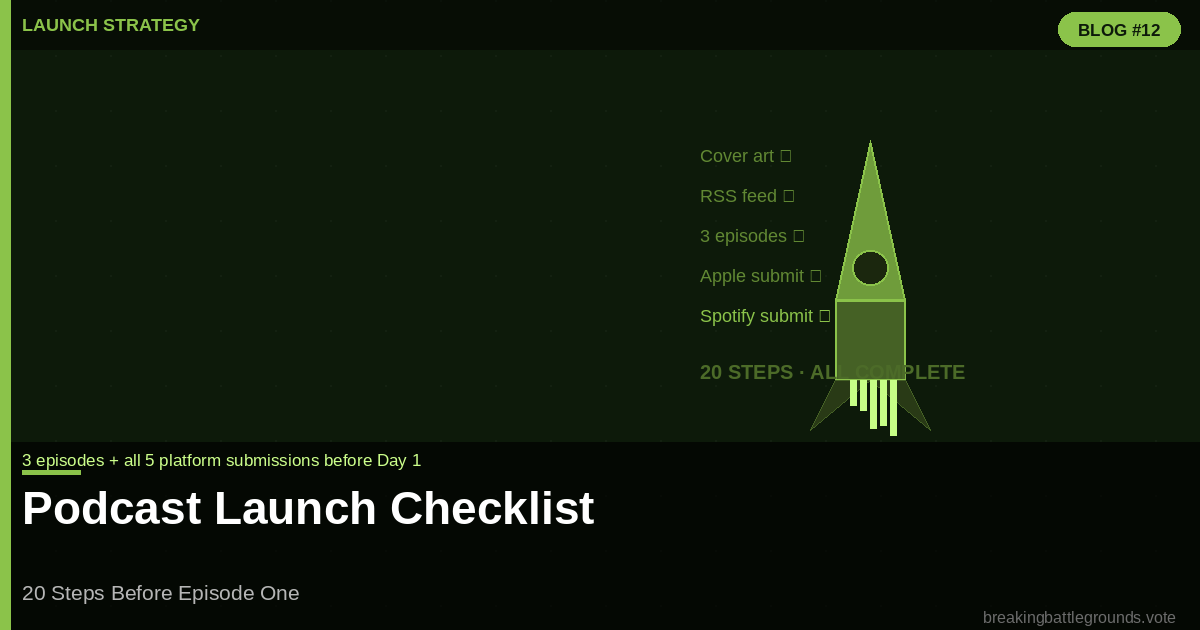
The barrier to entry sits lower than any comparable medium. A $70 to $100 USB microphone, free editing software such as Audacity, a quiet room, and a hosting plan around $10 to $20 a month cover the essentials. From recording to appearing on Spotify takes most first-time creators under two weeks.
Quality of thought beats quality of equipment. Listeners forgive modest production when the content respects their time, and no production budget rescues a show without a point of view.
Frequently Asked Questions
Are podcasts free to listen to?
Yes, the standard podcast model is free and ad-supported. Some shows offer optional paid feeds with bonus episodes or ad-free listening, but the open RSS system keeps the core experience free.
Do you need the internet to listen to podcasts?
You need a connection to download or stream episodes. Every major app lets you download episodes in advance and listen offline.
What is the difference between a podcast and an episode?
The podcast is the show itself, the ongoing series. An episode is a single installment within that series, the same way a TV series contains individual episodes.
Can anyone start a podcast?
Yes. No license, network deal, or approval process exists. Anyone with a microphone, a hosting account, and an RSS feed can appear in the same directories as the largest shows in the world.
How do podcasts differ on Spotify vs. Apple Podcasts?
The content is identical because both platforms read the same RSS feed. Differences come down to app features, recommendations, and interface, not the shows themselves.
Podcasting works because nobody owns it. An open feed standard, cheap tools, and half a billion listeners created a medium where a two-person political show and a major network compete on the same screen. Understanding the plumbing is step one; the next step is picking your first show, or making one.