
Your podcast analytics are telling you something most podcasters refuse to hear. The episode completion rate, the percentage of each episode’s audience that listens to the end, is the most honest metric in podcasting. Downloads are easy to inflate. Completion rates cannot be faked. When 48 percent of your listeners stop before the episode ends, that is a structural problem that no amount of marketing can solve.
This guide is based on patterns from Spotify for Podcasters, Apple Podcasts Connect, and Chartable analytics across thousands of podcast episodes. The seven retention killers below are responsible for the vast majority of premature drop-offs in podcasts with audiences large enough to produce reliable completion data.
The Seven Retention Killers (And Their Fixes)
1. The Opening Void (Minutes 0 to 2)
The most common retention killer is a slow, unmotivating opening. A host who spends the first two minutes on pleasantries, a recap of the previous episode, or generic introductions is burning through the 90-second window in which listeners decide to continue.
Fix: Open every episode with a cold open, 20 to 45 seconds of the episode’s most compelling content, placed before any music, introduction, or sponsor message. The listener’s first impression should be the episode’s best content, not its setup.
2. Long Musical Intros
In 2018, a 30-second branded musical intro was a credibility signal. In 2026, it is a skip signal. Streaming platform data consistently shows listeners skipping ahead when they encounter musical intros longer than 10 seconds. The skip to 10:00 function on Apple Podcasts and Spotify was designed precisely for long intros, when listeners use it habitually on your show, you have a retention problem.
Fix: Keep branded music to under 10 seconds. Use it as a brief transition into the content, not as a stand-alone identity statement.
3. Slow Interview Starts
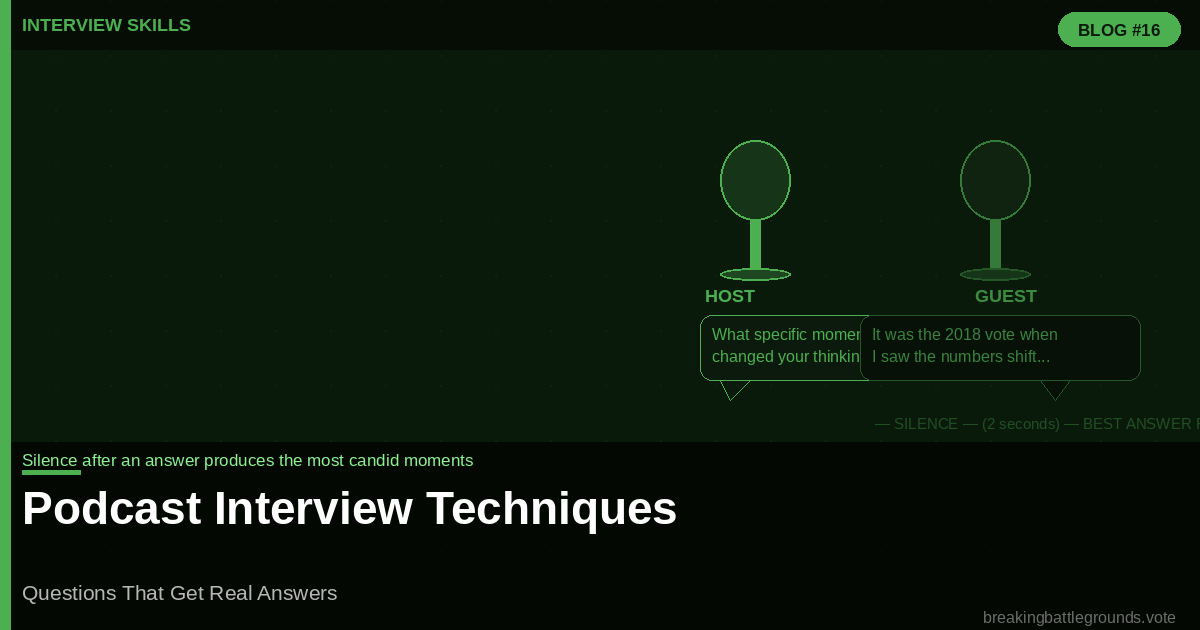
The standard podcast interview format begins with the guest biography. This format is backwards. The listener already knows enough about the guest to have selected this episode, they chose it because of the topic, not because they wanted a LinkedIn biography recitation. Every minute spent on background is a minute of value deferred.
Fix: Begin interviews in media res, in the middle of the conversation. Ask the most interesting question first. Weave in background context as it becomes relevant to specific points the guest makes.
4. The Single-Topic Deep Dive Without Narrative Tension
A 45-minute single-topic episode needs narrative tension to retain listeners throughout. Without it, the episode feels like a lecture. The specific retention problem: listeners feel they have received the episode’s core value after the first 15 minutes and see no reason to continue.
Fix: Structure long-form single-topic episodes as a journey with complication. Begin with the obvious framing of the topic, introduce a complication or surprising data point that challenges that framing at the 12 to 15 minute mark, and resolve the tension in the final segment. The complication is the narrative tension that holds listeners through the middle.
5. Uninterrupted Monologue
Research on podcast listener fatigue shows attention degrading significantly after six to eight minutes of uninterrupted single-voice audio. Interview podcasts avoid this problem structurally. Solo host podcasts are particularly vulnerable.
Fix: Break solo episodes every six to eight minutes with a mode shift: play a clip of a third party, read a listener question, reference a study or statistic that changes the framing, or shift from principle-explanation to example-illustration. The voice stays the same; the mode of delivery changes.
6. The Unpredictable Episode Length
Listener retention is partially habitual. A show that consistently delivers 50-minute episodes trains its audience’s listening habits, commuters plan their listening around it, gym sessions are timed to it, cooking sessions are accompanied by it. Variable episode lengths break that habitual predictability.
Fix: Define an episode length target and publish within a narrow range. A ten-minute variance (40 to 50 minutes) is acceptable. A 60-minute variance (20 to 80 minutes) destroys habitual listening patterns. The specific length matters less than its consistency.
7. Unstructured Interview Endings
The most common interview podcast ending: the host asks ‘Is there anything else you’d like to add?’ The guest provides a vague promotional statement. The host says ‘Where can people find you?’ The guest lists four platforms. The host says ‘Great, well thank you so much.’ The episode ends.
This ending pattern produces the highest drop-off rates in any episode. Listeners stop before the closing because experience has taught them the closing contains nothing valuable.
Fix: Design the episode ending as a content destination. In the final five minutes, the host synthesizes the two or three most valuable insights from the conversation in their own words. This synthesis is often more valuable to listeners than anything in the episode because it integrates the conversation’s content into actionable form.
Reading Your Analytics to Diagnose Retention Problems
Both Apple Podcasts Connect and Spotify for Podcasters provide timestamped drop-off data. The most useful visualization is the listener drop-off curve, a graph showing what percentage of the episode’s audience is still listening at each point. Every podcast should analyze this curve for their five most recent episodes.
The diagnostic patterns to look for: a steep early drop (minutes 0 to 5) indicates an opening problem. A cliff at a consistent timestamp indicates a specific segment people consistently skip. A gradual linear decline from beginning to end (rather than a gentle slope flattening toward completion) indicates pacing problems throughout. A sudden drop at a specific timestamp indicates a single underperforming element.
Frequently Asked Questions
What is episode completion rate in podcasting?
Episode completion rate is the percentage of listeners who listen to the end of an episode, measured by podcast hosting platforms like Spotify, Apple Podcasts, and Buzzsprout. An average completion rate across the industry is approximately 52 percent. Rates above 65 percent indicate strong episode-level retention.
Why do listeners stop listening to podcasts?
The seven most common causes of podcast listener drop-off are: slow or unmotivating openings (most common), long musical intros, interview starts that begin with guest biography, single-topic episodes without narrative tension, extended uninterrupted monologue, unpredictable episode lengths, and unstructured interview endings.
How do I check my podcast completion rate?
Apple Podcasts Connect provides completion rate data under the Podcast Analytics section. Spotify for Podcasters shows average consumption rate per episode. Buzzsprout and most paid hosting platforms include completion analytics in their dashboard. You need sufficient listeners per episode (typically 100 or more) for the data to be statistically reliable.
What is a cold open in podcasting?
A cold open is a short clip (20 to 45 seconds) from the middle of the episode, placed before any introduction, music, or sponsor message. It immediately demonstrates the episode’s most compelling content and gives listeners a reason to continue. Research shows cold opens improve average episode completion rates by 20 to 25 percent.