What the Administrative State Is
The administrative state is the collection of federal agencies, departments, bureaus, and commissions that implement federal law. These agencies, the EPA, FTC, SEC, OSHA, FDA, CFPB, and hundreds of others, exercise regulatory authority delegated to them by Congress. They write rules, conduct investigations, hold hearings, and impose penalties, all with the force of law.
The modern administrative state is a product of the 20th century. The New Deal of the 1930s dramatically expanded federal agency authority. The regulatory explosion of the 1970s added the EPA, OSHA, CPSC, and dozens of other agencies. As of 2026, the Federal Register, the official record of federal regulations, contains over 100,000 pages of active regulatory text.
The Constitutional Problem
The constitutional objection to the administrative state rests on the separation of powers. Article I of the Constitution vests all legislative power in Congress. Article II vests executive power in the president. Article III vests judicial power in courts. The administrative state, in its current form, exercises all three: agencies make law (rulemaking), enforce law (investigation and prosecution), and adjudicate disputes (administrative courts).
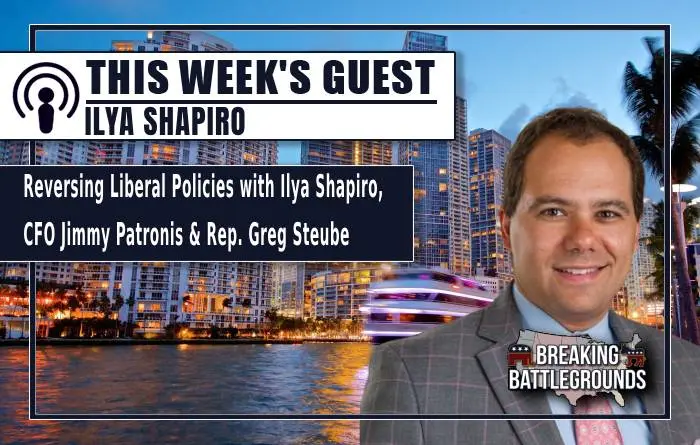
Ilya Shapiro, who appeared on Breaking Battlegrounds Episode 229, argues that the post-Chevron landscape changes this. Chevron deference, the doctrine that courts defer to agency interpretations of ambiguous statutes, was the legal foundation that gave agencies enormous discretionary power. Its overruling shifts that power back to courts and, ultimately, to Congress.
Why This Matters in 2026
The practical impact of Chevron’s overruling is being worked out in 2026 as agencies revise regulatory frameworks, courts decide challenges to existing rules, and the administration shapes the new legal environment. Energy regulations, financial regulations, labor rules, and environmental standards that rested on broad agency interpretations of statutory language are all subject to new legal challenges.
For the conservative project of reducing regulatory burden, this is the most important legal development of the second Trump term, more durable than any executive order and with effects that will outlast any specific administration.
Frequently Asked Questions
What is the administrative state?
The administrative state is the collection of federal agencies that implement and enforce federal law through regulation, investigation, and adjudication. It includes agencies like the EPA, FTC, SEC, OSHA, and hundreds of others.
Why do conservatives oppose the administrative state?
Conservatives argue that agencies exercise legislative, executive, and judicial power simultaneously, a concentration that violates constitutional separation of powers and removes policy decisions from democratic accountability.
What is Chevron deference and why was its overruling significant?
Chevron deference required courts to defer to federal agencies’ interpretations of ambiguous statutes. Its overruling in 2024 means courts now independently determine statutory meaning, limiting agencies’ ability to expand their own authority through creative interpretation.