
Thinking about how to start a political podcast? It’s a great time to get your voice out there. With so many people looking for different takes on politics, a podcast can really connect you with listeners. But it’s not just about talking; you need a plan. This guide will walk you through the main steps to get your political podcast up and running.
Key Takeaways
- Figure out your specific political topic, like foreign policy or local issues, and make sure it fits what you know.
- Know who you’re talking to, keep up with political news, and plan your episodes, but be ready to change things up.
- Find a unique angle or personality for your podcast so it stands out from others.
- Decide if you’ll talk alone, with a co-host, or interview guests, and pick a name and look for your show.
- Get good audio gear, find a place to record, and use editing tools to make your podcast sound professional.
Define Your Political Podcast Niche
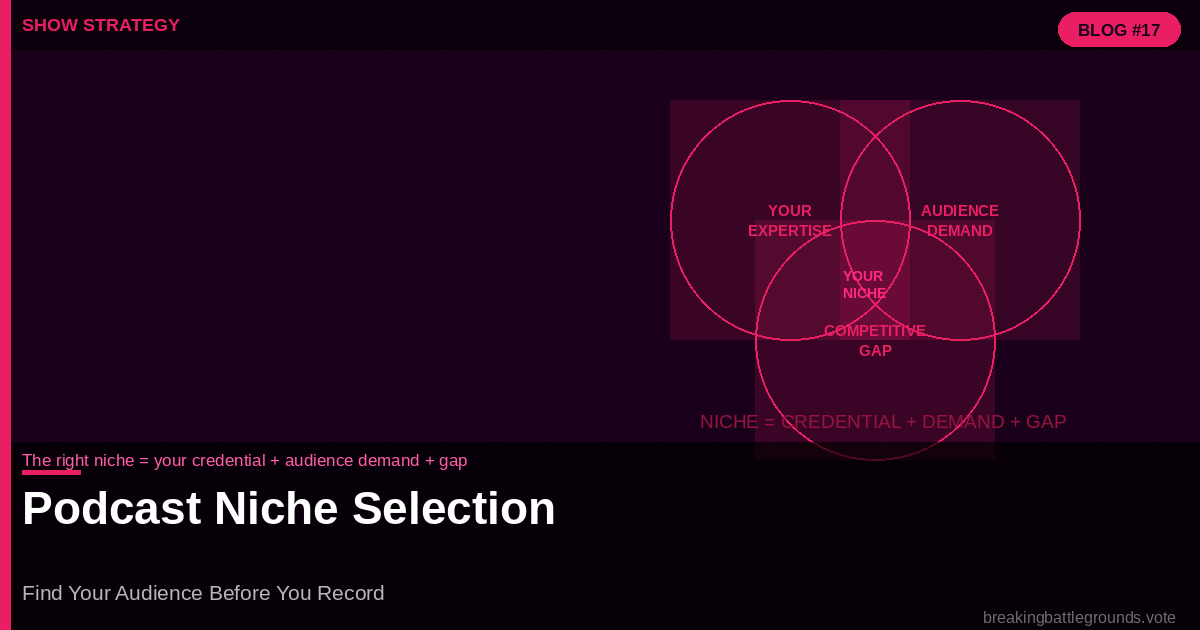
Starting a political podcast means you’re stepping into a crowded space. To stand out, you really need to figure out what specific part of politics you want to talk about. Trying to cover everything political is a recipe for getting lost. Think about what genuinely interests you and where you have some knowledge to share. This focus will help you attract listeners who are looking for that particular kind of content.
Identify Your Specific Political Theme
Politics is vast. You could talk about national elections, local city council issues, or even the politics behind a specific industry. What aspect of the political world keeps you up at night or makes you want to discuss it with friends? Maybe it’s foreign policy, environmental regulations, or the way technology impacts government. Pinpointing this theme is the first step to building a focused show.
Explore Potential Niche Topics
Once you have a general theme, drill down further. Instead of just
Conduct Thorough Audience and Trend Research
Before you even think about hitting record, it’s smart to do some homework. You need to know who you’re talking to and what’s happening in the political world. This isn’t just about picking a topic; it’s about understanding the landscape you’re stepping into.
Determine Your Target Audience
Who are you trying to reach with your podcast? Are they young voters, seasoned political junkies, or people who are just starting to get interested in politics? Knowing this helps you tailor your language, the depth of your analysis, and even the topics you cover. Think about their age, their general political leanings, and what they’re looking for in a political podcast. Do they want deep dives into policy, quick takes on the news, or maybe personal stories from people involved in politics? Understanding your listeners is key to making content that sticks. Listeners place a high degree of trust in podcast hosts, often exceeding their trust in other media personalities. This heightened trust is attributed to the intimate and conversational nature inherent in the podcasting format. this heightened trust
Stay Informed on Political Trends
Politics is always changing, so you need to keep up. What are the big issues right now? What are people talking about on social media and in the news? You can use tools like Google Alerts, subscribe to political newsletters, or just regularly check reputable news sites. Having a handle on current events allows you to be timely and relevant. It also helps you anticipate what might be coming next, so you can plan your content ahead of time.
Create a Flexible Content Plan
Once you know your audience and what’s happening in politics, you can start planning your episodes. It’s good to have a general idea of what you want to talk about over the next few weeks or months. This could be a list of topics, potential guests, or even a rough schedule. However, politics can be unpredictable. A major event might happen that you need to address immediately. So, your plan needs to be flexible enough to handle breaking news or sudden shifts in the political conversation. Think of it as a roadmap, not a rigid set of rules. This way, you can stay on track while still being able to react to the unexpected turns that politics often takes.
Develop a Distinctive Podcast Angle
To really make your political podcast stand out, you need more than just good information; you need a distinct angle. Think about what makes your show different from the hundreds of others out there. Your unique perspective is what will draw listeners in and keep them coming back.
Leverage Your Unique Background and Experiences
Your personal history, professional life, and specific knowledge areas are goldmines for creating a unique podcast. Did you work in government? Have you spent years studying a particular region or policy? These experiences give you insights that others simply don’t have. Don’t be afraid to share how your background shapes your views. For instance, if you have a background in economics, you could offer a unique perspective on fiscal policy debates that a general political commentator might miss. This personal touch makes your content more relatable and authoritative.
Infuse Your Personality into the Content
People connect with people, not just ideas. Your personality is a key part of your podcast’s identity. Whether you’re naturally analytical, have a great sense of humor, or are deeply passionate about certain issues, let that shine through. Trying to be someone you’re not usually comes across as fake. Instead, lean into what makes you, you. This authenticity is what builds a loyal following. Think about how you want to come across: are you the calm, reasoned analyst, the fiery debater, or the witty observer? Consistency in your tone and style will help listeners feel like they know you.
Explore Underrepresented Political Subtopics
While major political events get a lot of attention, there are many smaller, often overlooked political topics that can form the basis of a compelling podcast. Consider focusing on niche areas that don’t get much mainstream coverage. This could be anything from the politics of urban planning in a specific city to the impact of international trade agreements on developing nations, or even the history of political movements. Finding these less-trodden paths can attract a dedicated audience looking for in-depth discussions on subjects they care about but rarely hear discussed elsewhere. It’s a great way to find untapped niches and build a community around specific interests.
Select the Optimal Podcast Format

Choosing the right format for your political podcast is a big decision. It really shapes how your show will feel and how much work it’ll be to make. Think about what kind of content you want to put out and what you’re good at. Your format should match your strengths and what you want to achieve.
Consider Solo Commentary
This is pretty straightforward. You’re the main voice, sharing your thoughts and analysis. It’s great if you’re comfortable speaking for extended periods and have a lot of opinions to share. You have complete control over the content and flow. However, keeping listeners engaged without any other voices can be a challenge. You’ll need to be dynamic and well-prepared to carry the show on your own. It’s a good way to get started if you don’t have a co-host lined up.
Evaluate Co-hosted Discussions
Having a co-host can make things more dynamic and conversational. It’s like having a built-in debate partner or someone to bounce ideas off of. This format often feels more natural and can cover more ground. The key here is finding someone whose political views complement yours, or at least create interesting discussion points, and who you can work with reliably. Scheduling and agreeing on content can sometimes be tricky, but when it works, it’s fantastic. Think about how you’ll handle disagreements – will they be constructive or just arguments?
Determine Suitability for Interviews
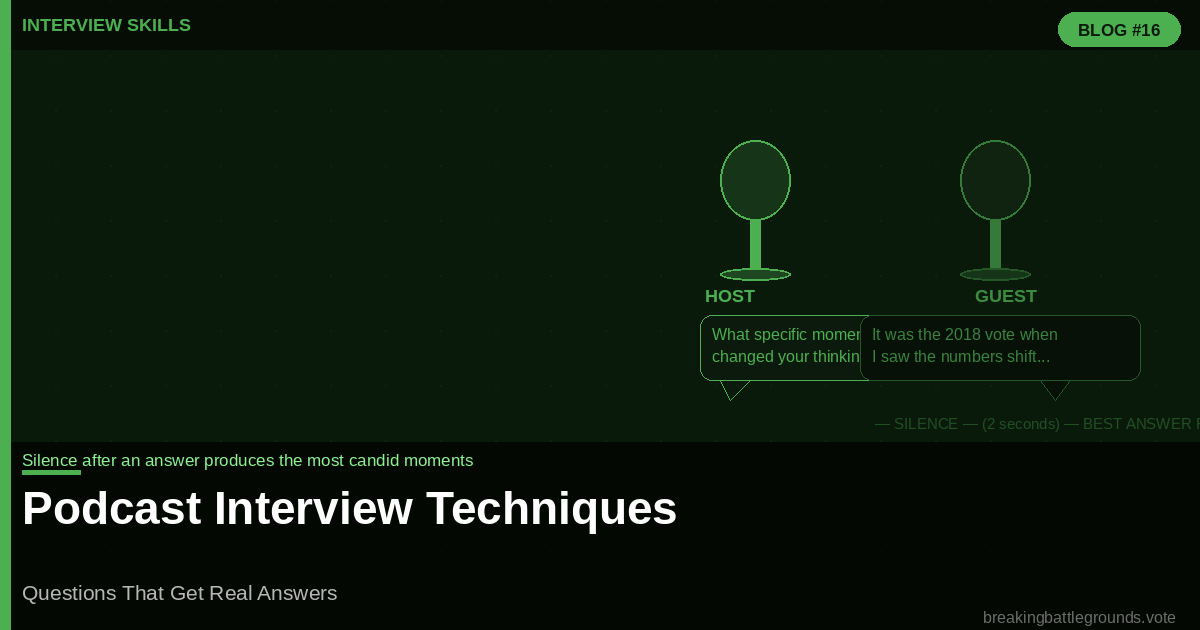
If you want to bring in different voices and perspectives, interviews are a great option. You can talk to politicians, academics, activists, or even everyday people with interesting stories. This format requires good research skills to prepare insightful questions and the ability to guide the conversation. You’ll also need to be good at making your guests feel comfortable. The success of an interview podcast often hinges on the quality of your guests and your interviewing skills. It can be a lot of work to book guests and schedule interviews, but the payoff in terms of diverse content is significant. You can even repurpose interview clips for social media.
Explore Narrative Storytelling
This is a more involved format, where you tell a story over one or multiple episodes. It’s like a documentary for your ears. You might investigate a political event, a historical issue, or a current trend. This requires strong writing, research, and editing skills. It can be incredibly compelling and create a deep connection with your audience, but it’s also the most time-consuming. If you have a knack for storytelling and want to explore complex topics in depth, this could be your niche. It’s a way to really make your podcast stand out.
Establish Your Podcast’s Identity

Establishing a clear identity for your political podcast is key to making it memorable and recognizable. Think of it as building a brand for your show. This involves several distinct elements that work together to create a cohesive and professional presentation.
Choose a Memorable Podcast Name
Your podcast’s name is the first impression listeners will have. It needs to be easy to recall and give a hint about what your show is about. A good name can make a big difference in how easily people find and remember your podcast. Consider names that are unique but also descriptive of your political focus. For example, names like “Capitol Chatterbox” or “Beyond the Ballot” give potential listeners a clear idea of the content.
Design Professional Cover Art
Cover art is your podcast’s visual signature. It’s what people see in podcast directories, so it needs to grab attention and look professional. High-quality artwork signals that you take your podcast seriously and can help your show stand out among many others. Make sure the design aligns with the tone of your political content.
Select Intro and Outro Jingles
Audio branding, through intro and outro music or sound effects, helps create a consistent listening experience. These short audio clips bookend your episodes, signaling the start and end of the content. They should match the overall mood of your podcast, whether that’s serious, analytical, or energetic. A well-chosen jingle can become instantly recognizable and reinforce your podcast’s identity with every episode. This is a small detail that can significantly impact how listeners perceive your show’s professionalism and style. Getting these elements right helps build a strong foundation for your podcast’s presence, making it easier for listeners to connect with and remember your show. You can find resources to help with this process, like those that offer royalty-free music for podcasts, to ensure your audio branding is both effective and legally sound. This attention to detail contributes to a polished final product that respects your audience’s listening experience.
Ensure High-Quality Audio Production
Good audio quality is non-negotiable for a political podcast. It shows you respect your listeners and makes your points land with more authority. Think of it as the first impression; if it’s bad, people might not stick around to hear your message, no matter how insightful it is. Getting this right doesn’t always mean spending a fortune, but it does require some attention to detail.
Invest in Quality Audio Equipment
Your microphone is probably the most important piece of gear. For beginners, something like a Blue Yeti condenser mic is a solid choice, offering good sound for its price. If your recording space has a lot of background noise, a dynamic mic, such as the Shure SM7B, might be better because it’s less sensitive to ambient sounds. You’ll also need headphones – closed-back ones are best so the sound doesn’t leak into your mic. These help you monitor your audio as you record, catching issues on the fly. Don’t forget a pop filter to reduce those harsh “p” and “b” sounds, and a mic stand to keep things steady and reduce handling noise. Getting your audio sounding professional is easier than you might think, and there are tools that can help clean up your voice recordings with just a click, making them sound like they were done in a studio. Adobe Podcast can be a real game-changer here.
Optimize Recording Environments
Where you record matters a lot. A quiet space with minimal echo is key. If you can’t find a perfectly quiet room, try recording in a closet filled with clothes – the fabric absorbs sound well. Acoustic panels can also make a big difference in reducing echo and making your voice sound clearer. Even simple things like recording away from windows or appliances that hum can improve your sound quality significantly.
Utilize Professional Editing Software
Once you’ve recorded, you’ll need to edit. Software like Audacity (which is free) or Adobe Audition (which has a subscription) lets you clean up mistakes, remove background noise, and adjust audio levels. You might also need an audio interface to connect your microphone to your computer, especially if you’re not using a USB mic. Learning basic editing techniques can make a huge difference in how polished your podcast sounds. It’s about making sure your message is clear and easy to listen to, without distracting audio issues.
Implement Effective Hosting and Distribution
Once you’ve got your podcast ready to go, the next big step is getting it out there for people to actually listen to. This involves picking the right place to host your audio files and then making sure it gets sent out to all the major listening apps. It sounds simple, but there’s a bit to consider.
Select a Reliable Podcast Hosting Platform
Think of a hosting platform as the home for all your podcast episodes. It’s where the audio files live, and it’s what creates the special link (an RSS feed) that tells apps like Spotify and Apple Podcasts when you’ve got a new episode. There are tons of options out there, each with different features and prices. Some popular choices include Libsyn and Blubrry, which have been around for a while and offer detailed stats on who’s listening and where they’re listening from. This data can be super helpful for figuring out what your audience likes. Choosing a good host is the technical backbone of your podcast’s availability.
Distribute to Major Podcast Directories
After you’ve uploaded your episodes to your host, you need to send them out to the places people actually listen. Most hosting services make this pretty easy by automatically submitting your show to big directories like Apple Podcasts, Spotify, and Google Podcasts. It’s important to get your podcast on as many of these as possible so that new listeners can find you. You can check out resources on podcast distribution to get a better idea of the process.
Review Platform Content Policies Carefully
This is especially important for political podcasts. While most hosting platforms and directories don’t have specific rules against political content, they do have general guidelines about what’s allowed. Things like hate speech, incitement to violence, or misinformation can get your podcast removed. It’s a good idea to read through the terms of service and content guidelines for any platform you plan to use. If you’re covering sensitive or controversial topics, double-checking these policies beforehand can save you a lot of trouble down the line. If you’re unsure about anything, don’t hesitate to reach out to the platform’s support team for clarification.
Promote Your Political Podcast Strategically
Getting your political podcast out there is just as important as making great episodes. You’ve put in the work to create compelling content, now it’s time to make sure people can find it. Think of promotion as building a bridge between your ideas and the listeners who want to hear them. It’s not just about shouting into the void; it’s about smart, targeted outreach.
Utilize Social Media for Engagement
Social media is a powerhouse for podcast promotion. Creating dedicated accounts for your show on platforms like Twitter, Instagram, or even TikTok allows you to share episode highlights, behind-the-scenes glimpses, and directly interact with your audience. Twitter is fantastic for real-time political discussions, while Instagram can be great for sharing eye-catching graphics or short video clips. Don’t just post links; create conversations. Ask questions, respond to comments, and participate in relevant political discussions happening online. This engagement builds a community around your podcast, turning casual listeners into dedicated fans.
Create a Dedicated Podcast Website
While social media is great for quick updates, a dedicated website offers a central hub for your podcast. Here, you can host detailed show notes, provide links to resources mentioned in episodes, share transcripts, and offer additional written content that complements your audio. It’s also a place where potential listeners can easily find all your episodes, learn about you and your co-hosts, and find ways to support the show. Think of it as your podcast’s digital home base. You might even consider a .vote domain if your podcast focuses heavily on elections or political campaigns, as it can signal your focus clearly political campaigns.
Optimize Episode Titles for Searchability
Your episode titles are often the first impression potential listeners have of your content. Crafting titles that are both catchy and informative is key to organic discovery. Include relevant keywords that people might search for when looking for discussions on specific political topics. A clear, compelling title can grab attention as someone scrolls through podcast apps, making them more likely to click play. Over time, consistent, well-crafted titles help build trust and encourage sharing, as listeners know what to expect from your episodes.
Want to get more listeners for your political podcast? Sharing your show in the right places is key. Make sure people know when new episodes drop and where to find them. For tips on how to spread the word and grow your audience, check out our website.
Wrapping Up Your Political Podcast Journey
So, you’ve got your niche, your format, and a plan for getting the word out. Starting a political podcast is a big undertaking, but it’s also a really rewarding way to share your thoughts and connect with people who care about the same things you do. Remember to keep your audio clear, stay consistent with your posting, and don’t be afraid to let your own personality shine through. The political world is always changing, and your voice can be a part of that conversation. It takes work, sure, but building a community around your ideas is totally doable. Good luck out there!
Frequently Asked Questions
How do I choose what my political podcast will be about?
Think about what makes politics interesting to you. Do you love talking about world events, or maybe what’s happening in your own town? Picking a specific topic, like how technology affects politics or the history of certain laws, will help people know what your show is about.
Who should listen to my podcast?
It’s smart to know who you’re talking to. Are they young people, older folks, or people who live in a certain area? Knowing your audience helps you pick topics and talk in a way they’ll understand and enjoy.
How can I make my podcast different from others?
To make your podcast stand out, share your own thoughts and experiences. If you have a cool job or have seen interesting things related to politics, talk about it! Your unique voice and personality are what make your show special.
Should I talk alone, with a co-host, or have guests?
You can talk by yourself, chat with a friend, or invite guests to share their ideas. Think about what feels most natural for you and what kind of show your listeners would like best.
How important is the sound quality of my podcast?
Good sound is super important! Get a decent microphone so people can hear you clearly. Also, try to record in a quiet place so there aren’t any distracting noises.
Where do I put my podcast, and how do I tell people about it?
You need a place to put your podcast episodes online, like a website or a special service that shares them with apps like Spotify or Apple Podcasts. Also, use social media to tell people about new episodes and talk with them.